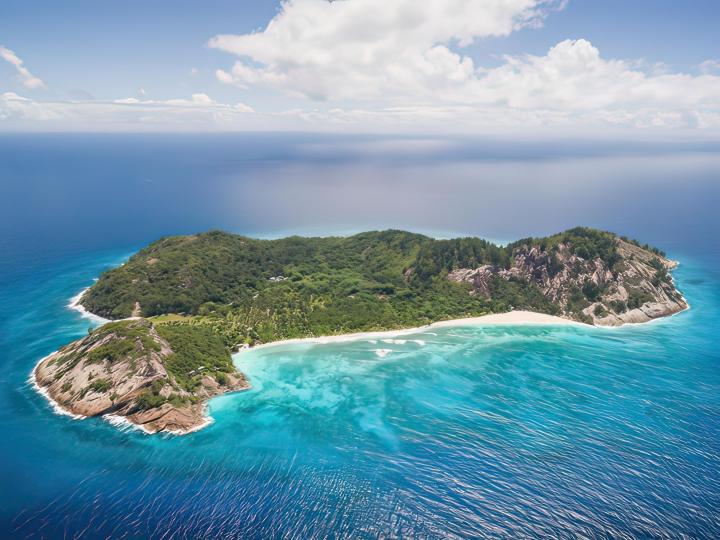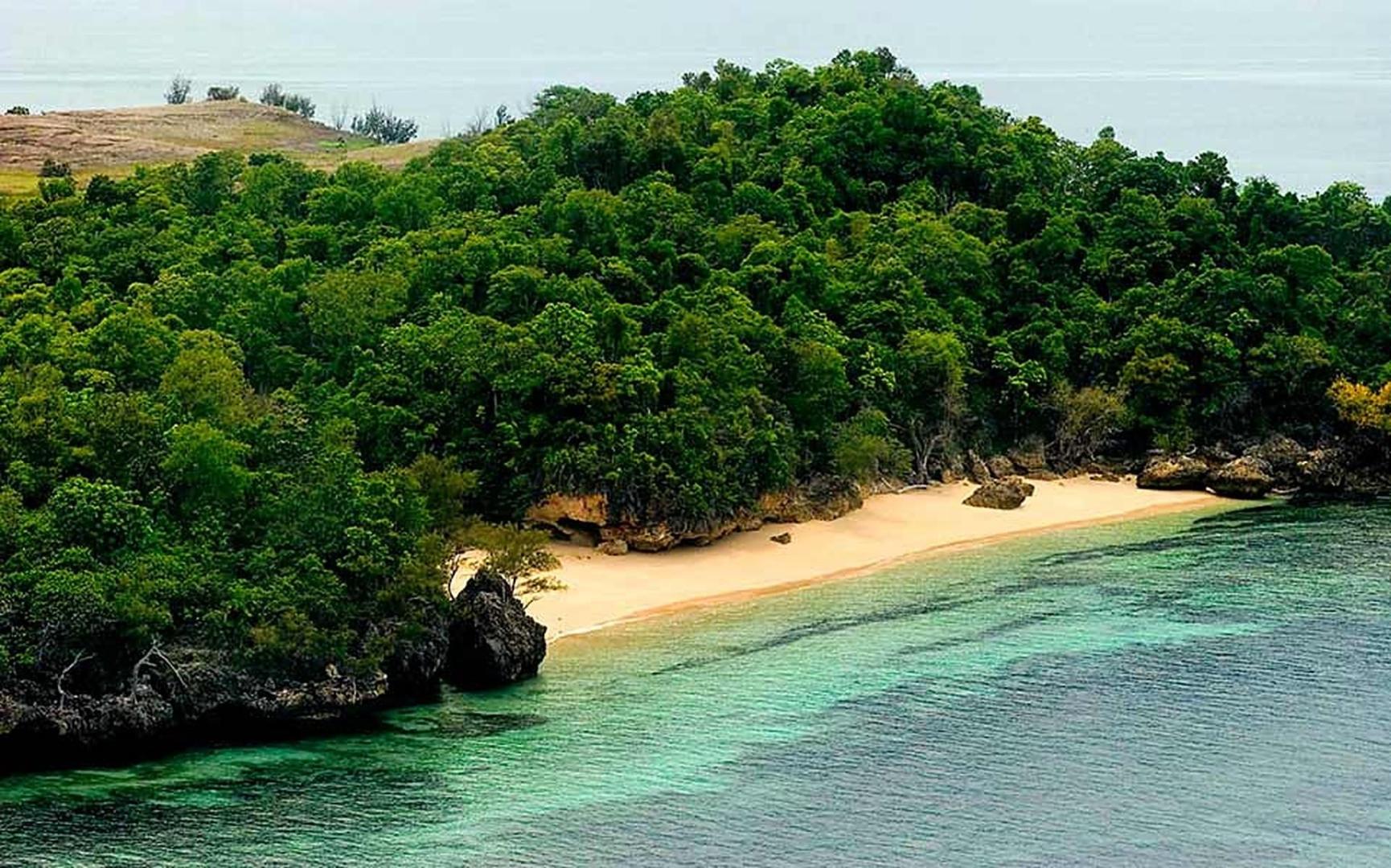


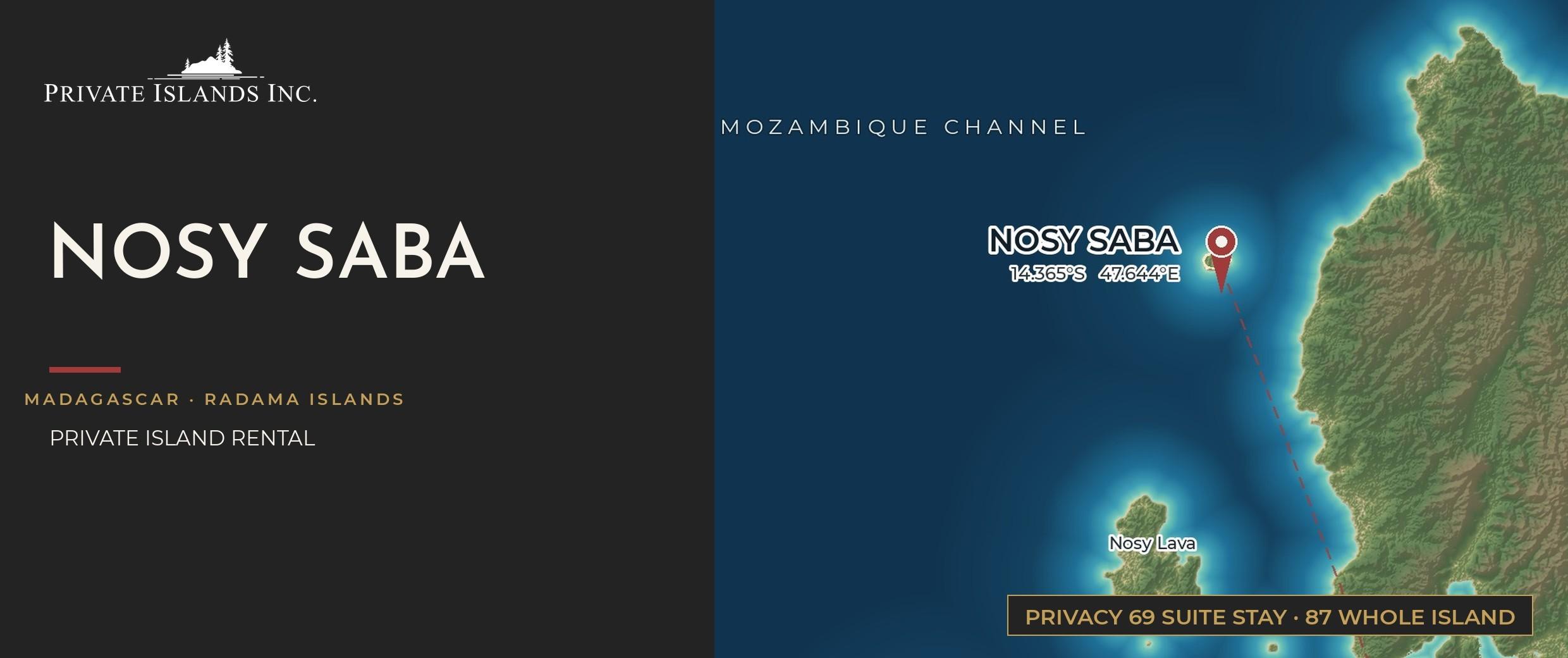
Nosy Saba is a private island off the north-west coast of Madagascar, in the Mozambique Channel — 320 acres (128 hectares) of beach, grassland and primary forest inside the UNESCO marine biosphere reserve of the Radama Islands. An ecolodge of 27 suites stands along the main beach, and nothing else: the island is the hotel, and the hotel is the island.
It is a sanctuary as much as a resort. The island is protected for its fauna and flora — blue-eyed black lemurs in the forest, sea turtles coming ashore to lay their eggs, some forty species of birds — and it sits far from Madagascar’s mass-tourism coasts, about a hundred kilometres south of Nosy Be. Guests come for the space and the quiet, and the lodge’s own promise is discretion: it does not publicise who stays here.
THE ISLAND IN MOTION
The listing's own film — supplied with this listing · 1 min 48 sec
Accommodations & Design
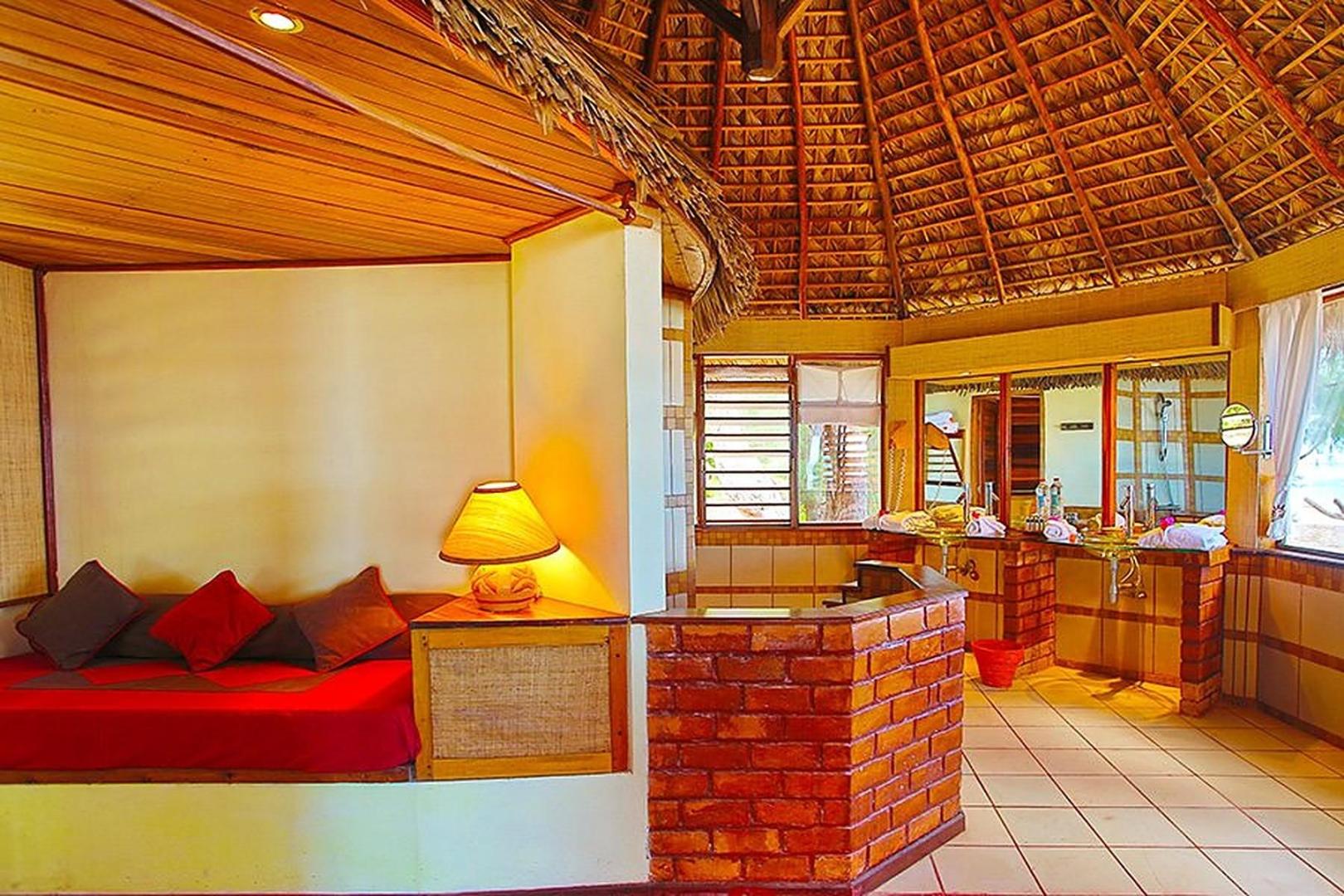
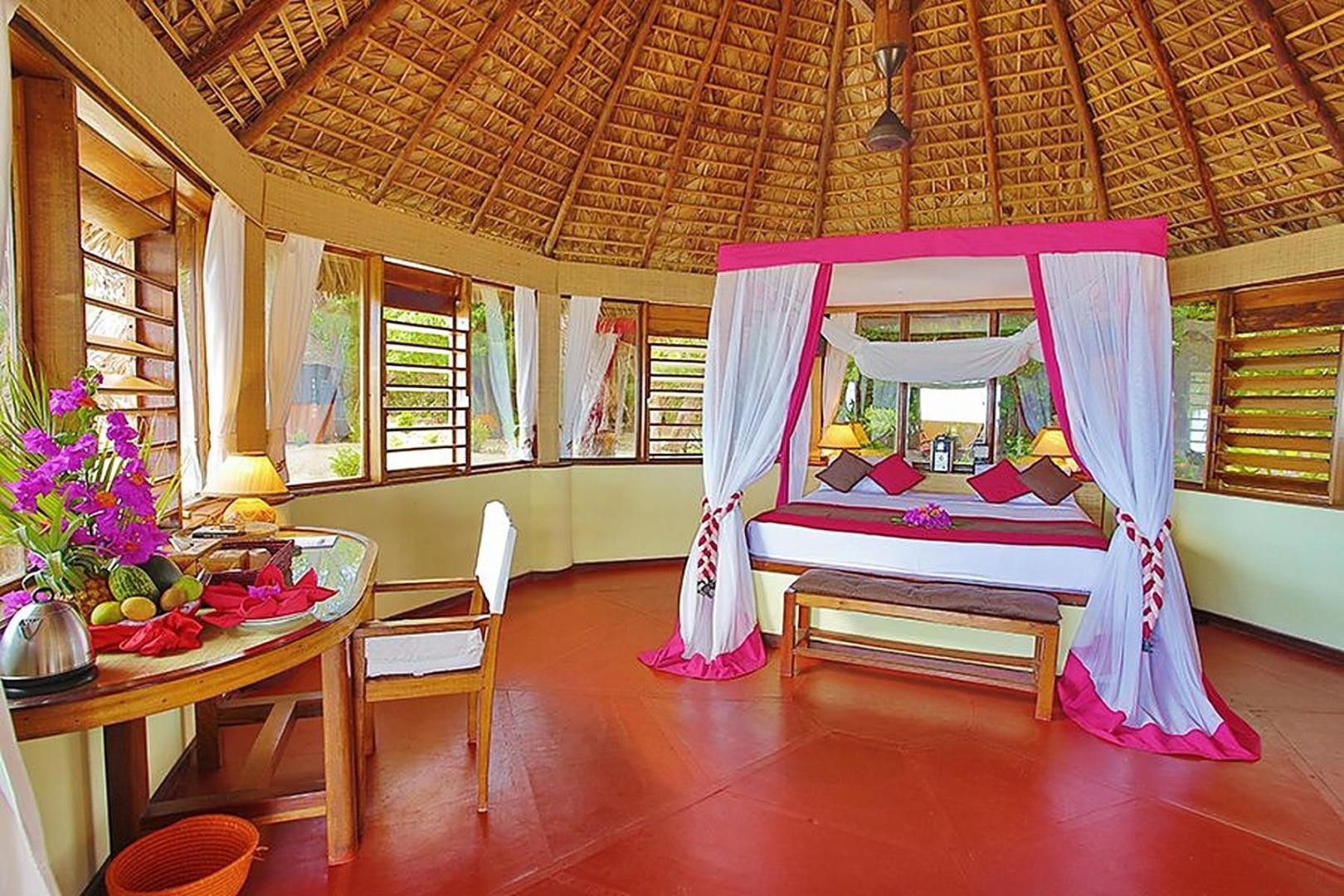
The 27 suites — 42 bedrooms in all — stand in the vegetation along the main beach, each with a 25-square-metre terrace opening straight onto the sand. Twelve Junior Suites (75 square metres) hold a king-size bed and sleep one or two; fifteen Senior Suites (105 square metres) are built for families, with two double bedrooms, two king-size beds and room for two to four. Across the whole island, the lodge takes no more than 84 guests.
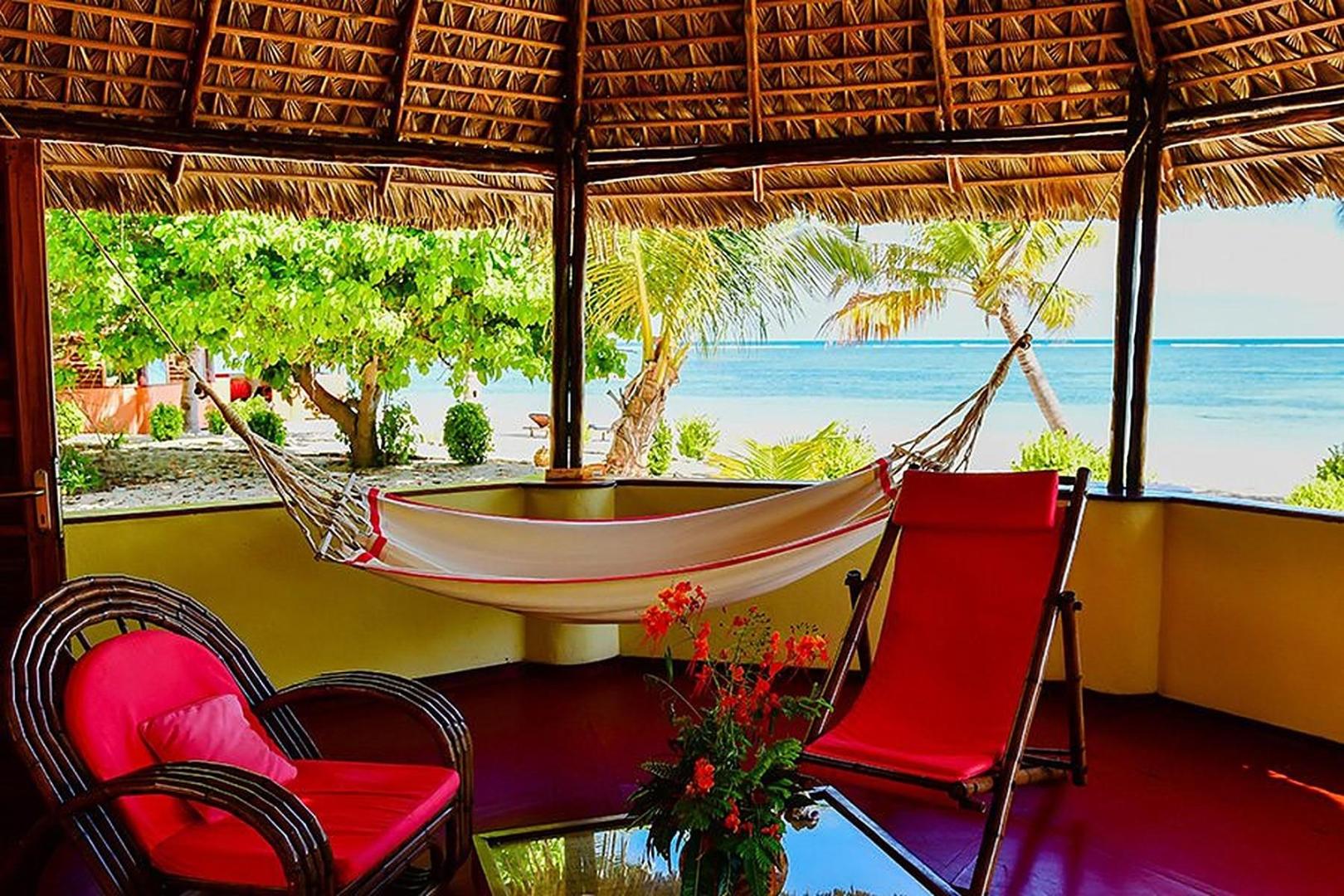
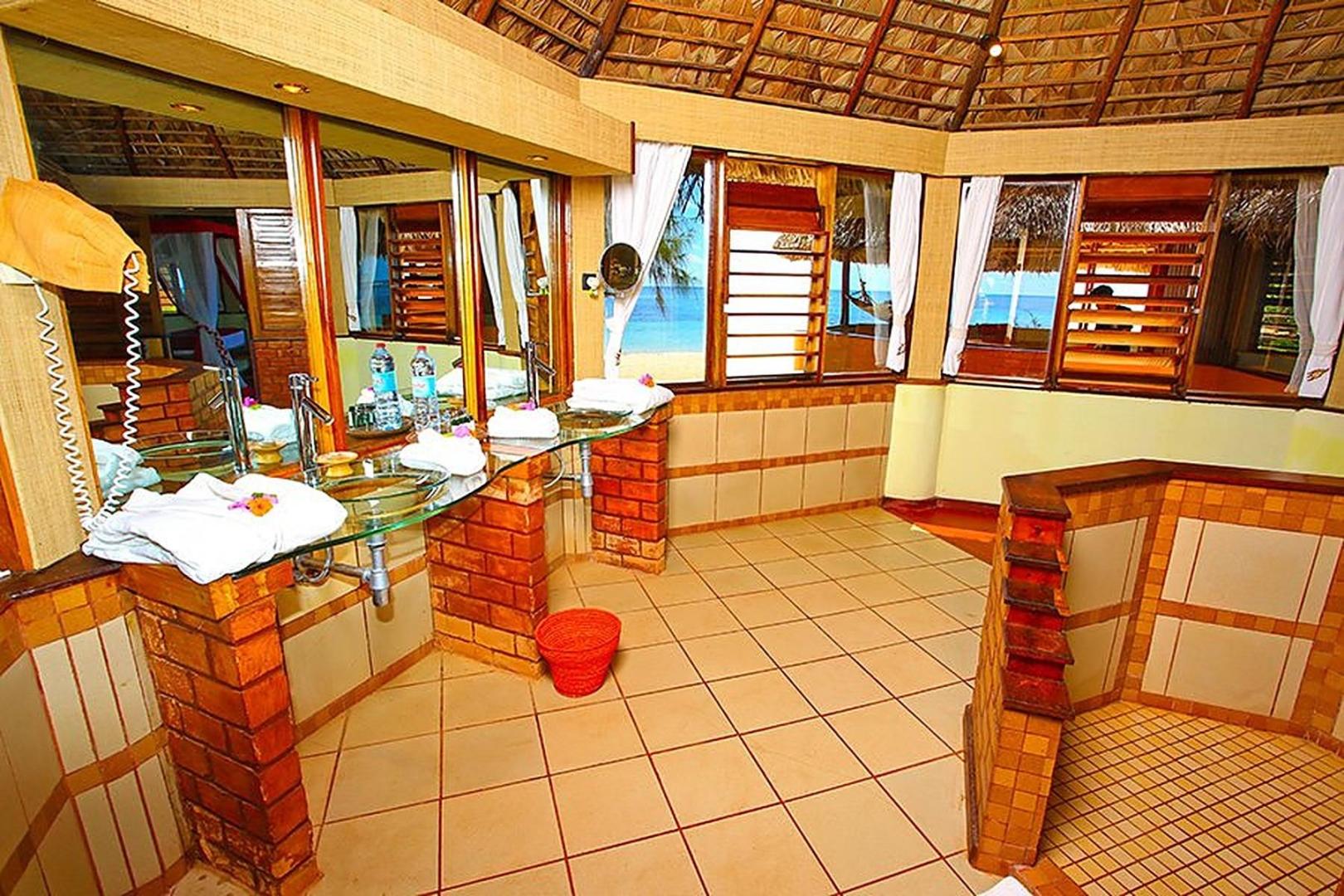
The suites are built of precious local woods and natural fibres under roofs of satrana — dried palm leaf — that keep the interiors naturally cool, and they are finished in earth tones. Every suite has its own bathroom with a view over the sea and the garden, a mini-bar and a dressing area, and the terrace carries a hammock and loungers for the sunset. A baby-sitting service is offered free of charge.
Amenities & Inclusions
The published rate is per suite per night and includes breakfast, with the tourist tax on top. A Junior Suite runs from EUR 210 a night in low season to EUR 340 at the Christmas–New Year peak; a Senior Suite from EUR 330 to EUR 590. Half board adds EUR 30 per person per night and full board EUR 60. Transfers are not included — the private plane and boat crossings are arranged by the lodge and charged on top — and neither are the spa, the bar or the excursions.
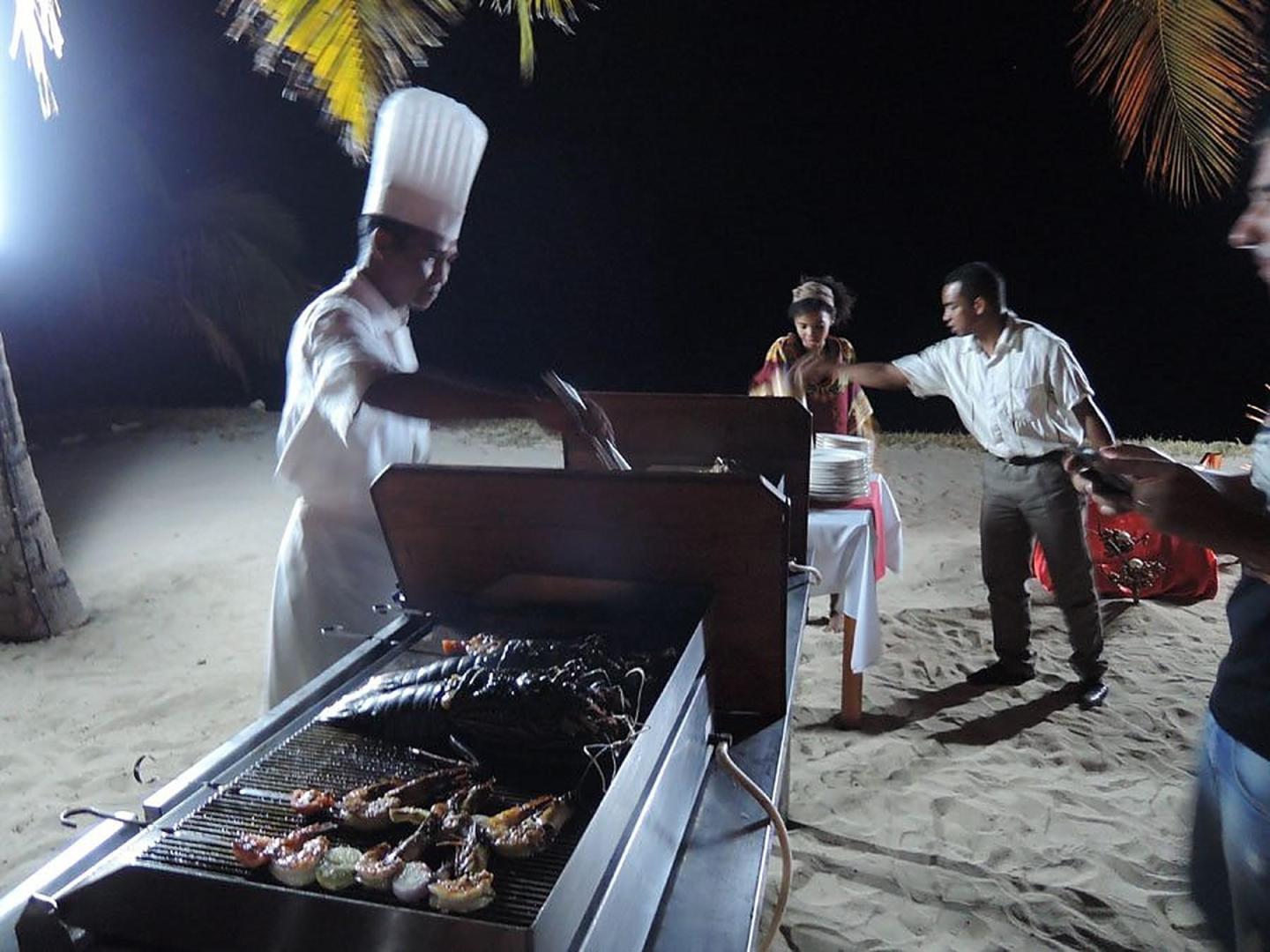
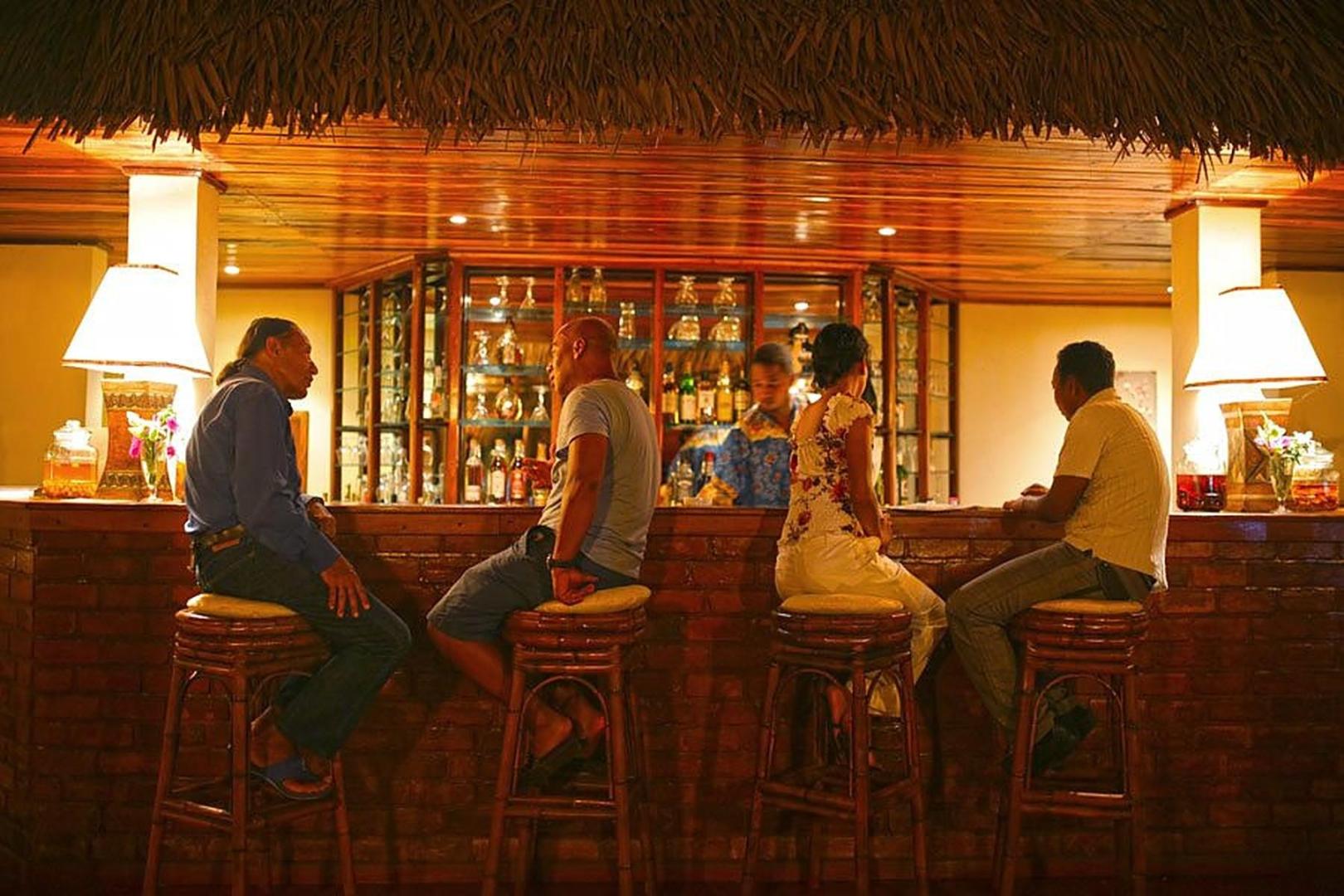
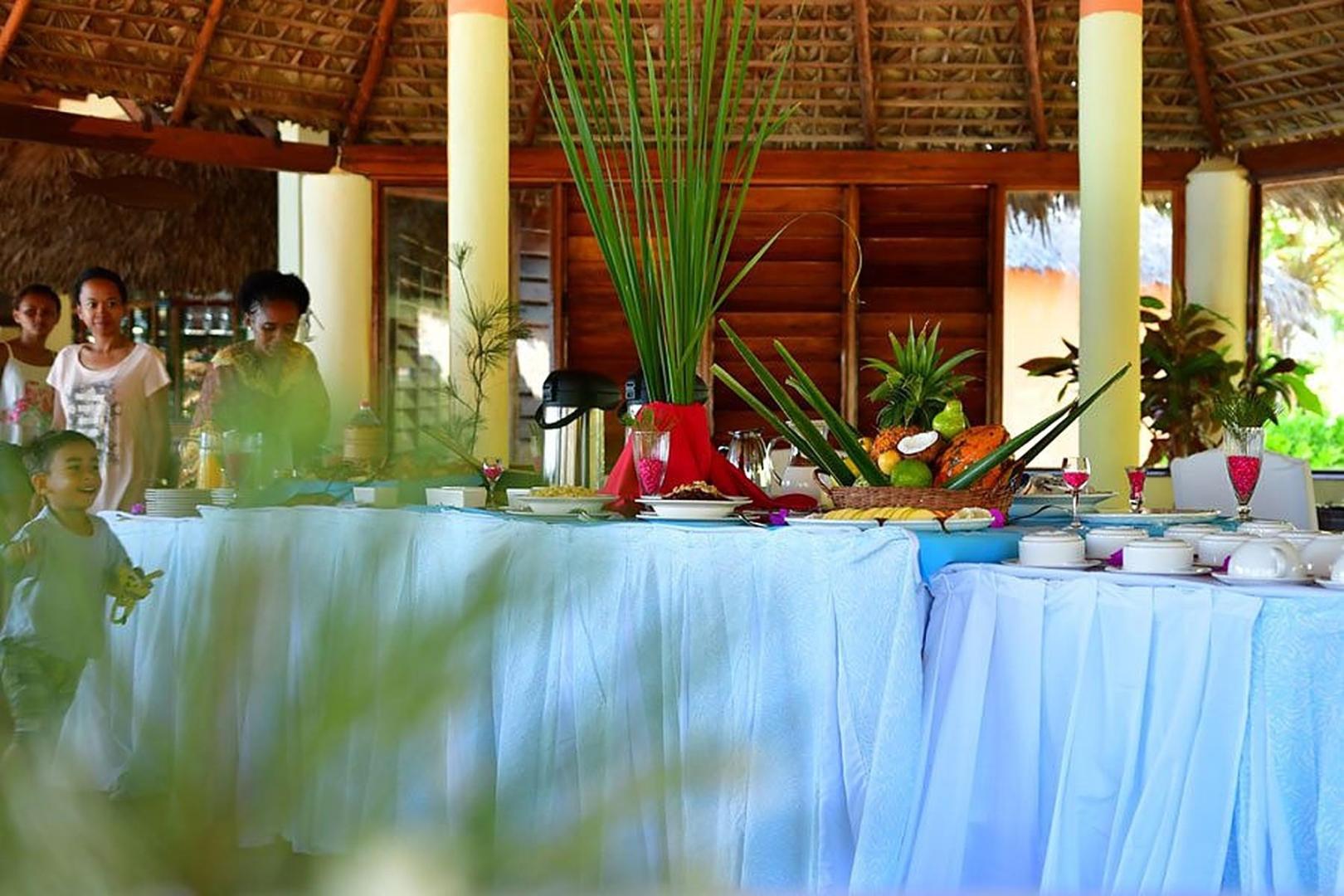
Two restaurants stand a few steps from the beach. La Rotonde and Le Calypso cook a tropical Malagasy cuisine built on what the local fishermen bring in — reef fish and lobster above all — with local vegetables, seasonal fruit, exotic spices and homemade bread; the buffets run to international and Malagasy dishes and seafood platters, and there is a serious wine list. The bar serves tropical cocktails in front of the sunset.
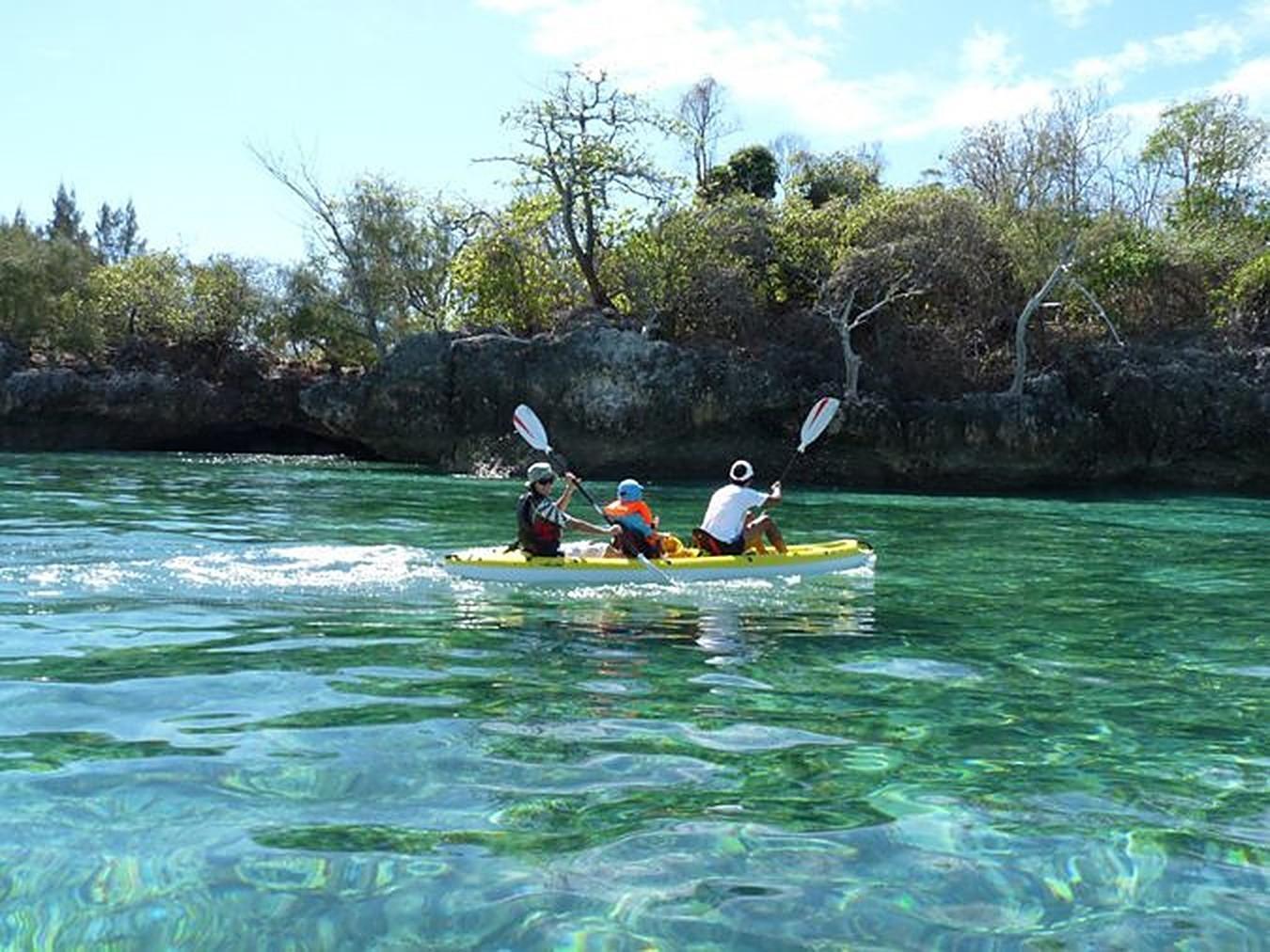
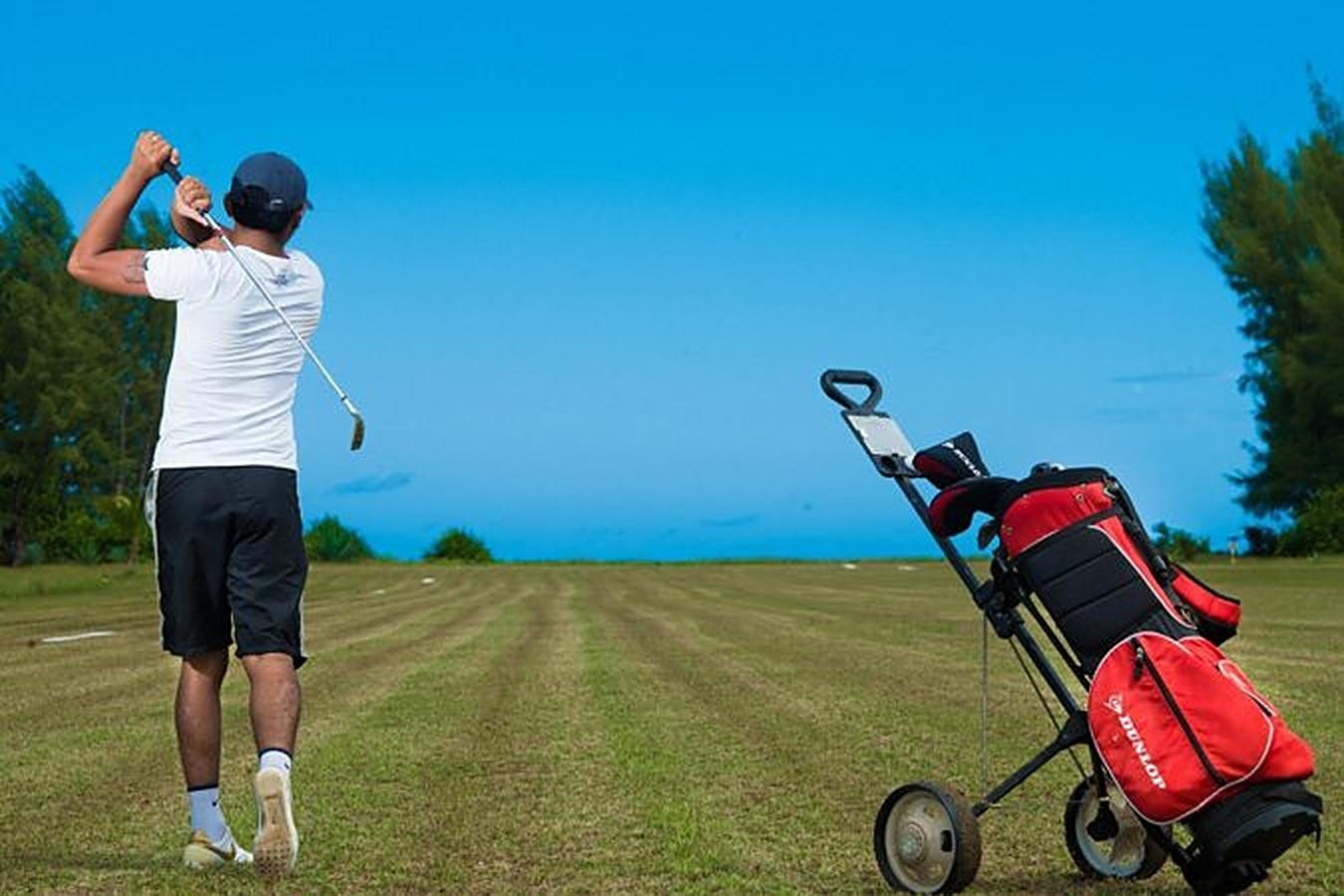
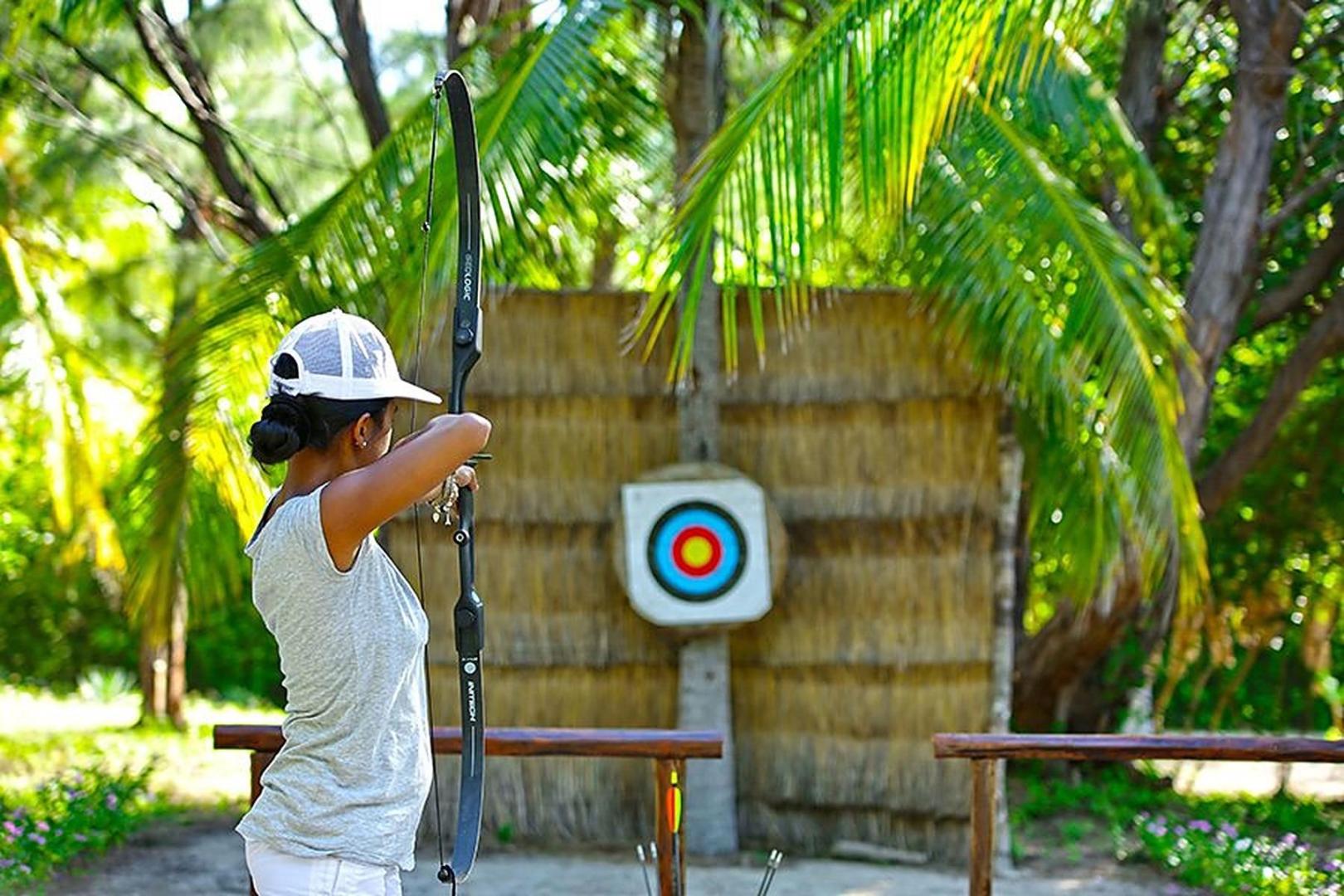
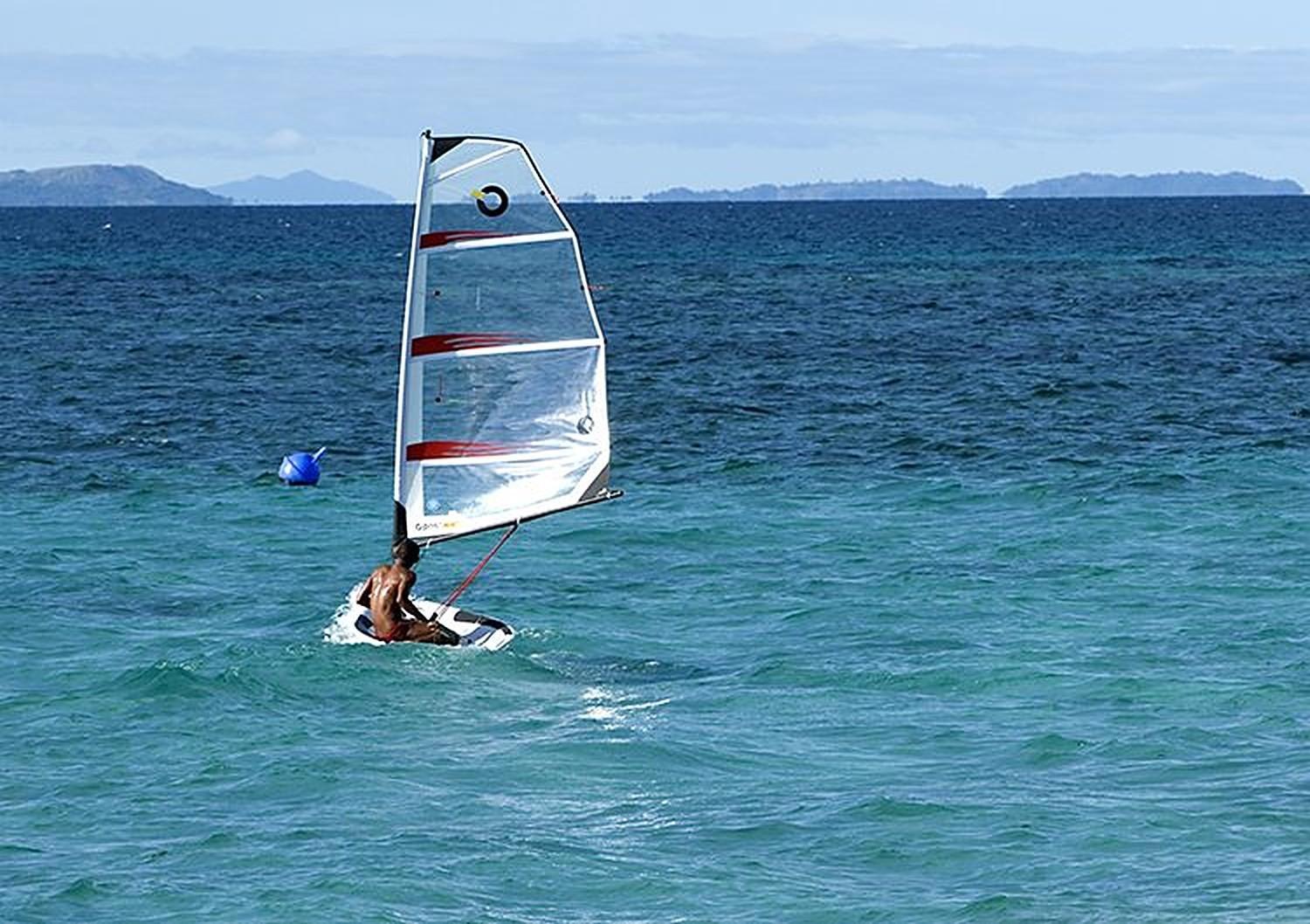
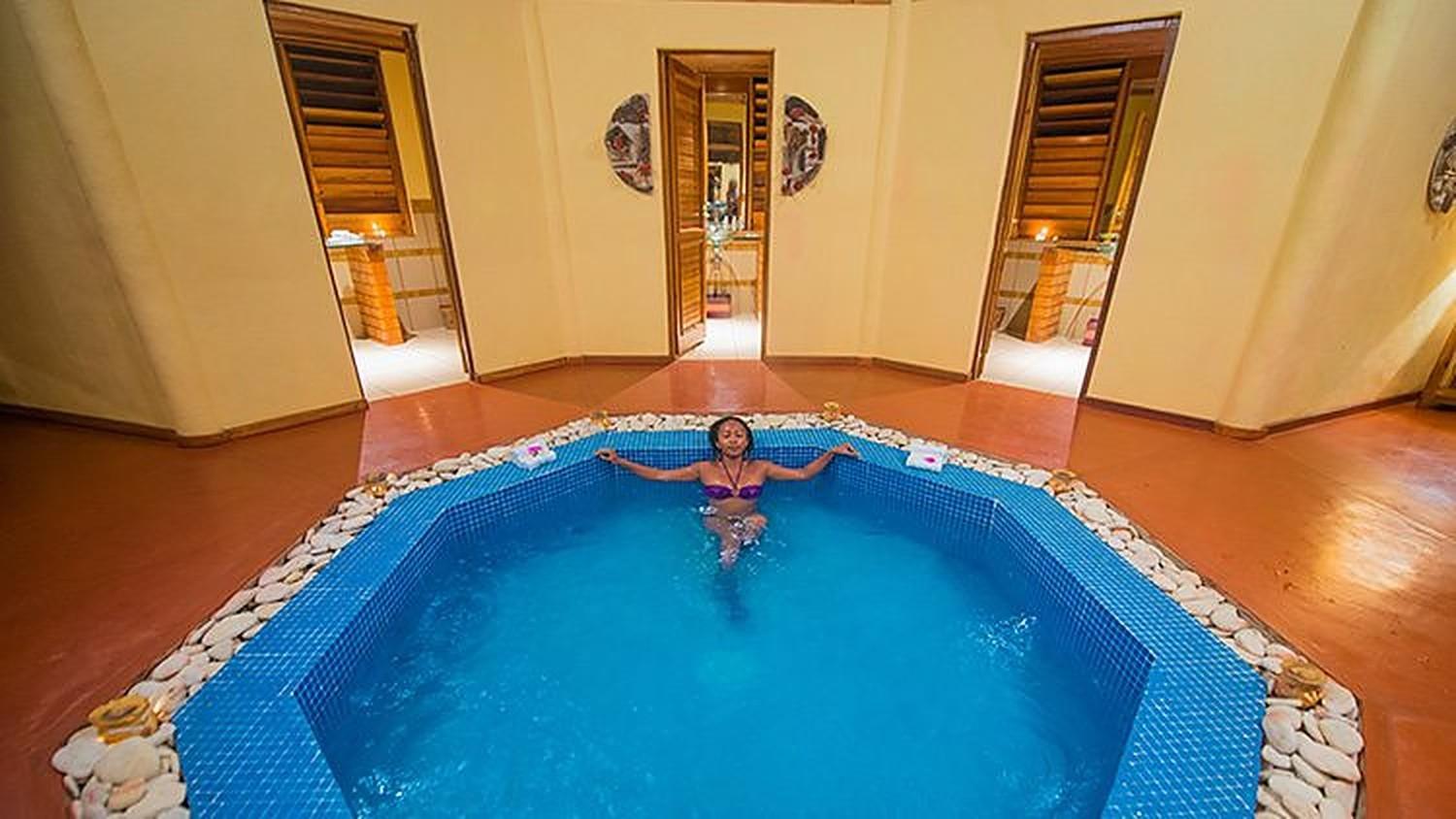
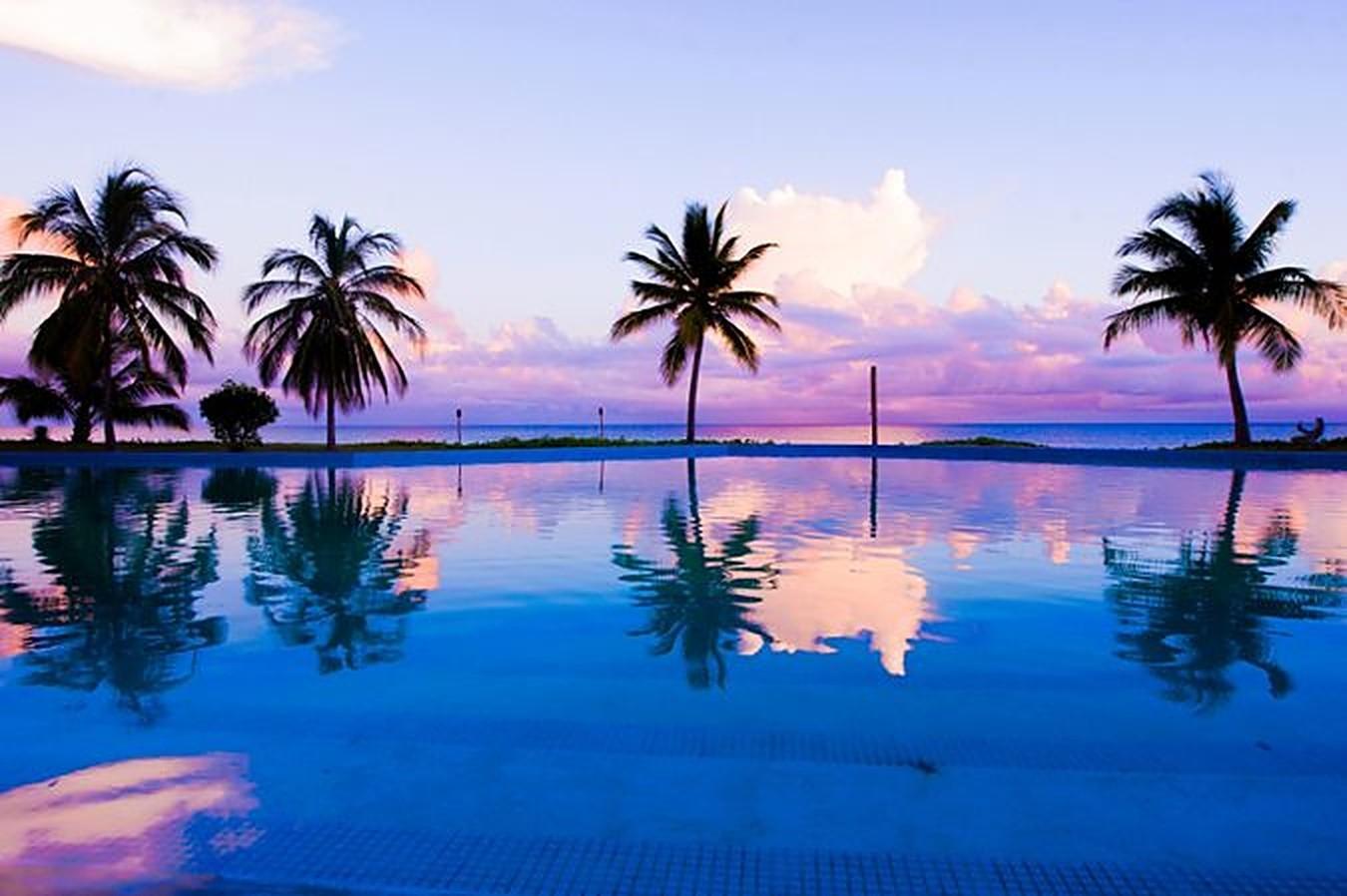
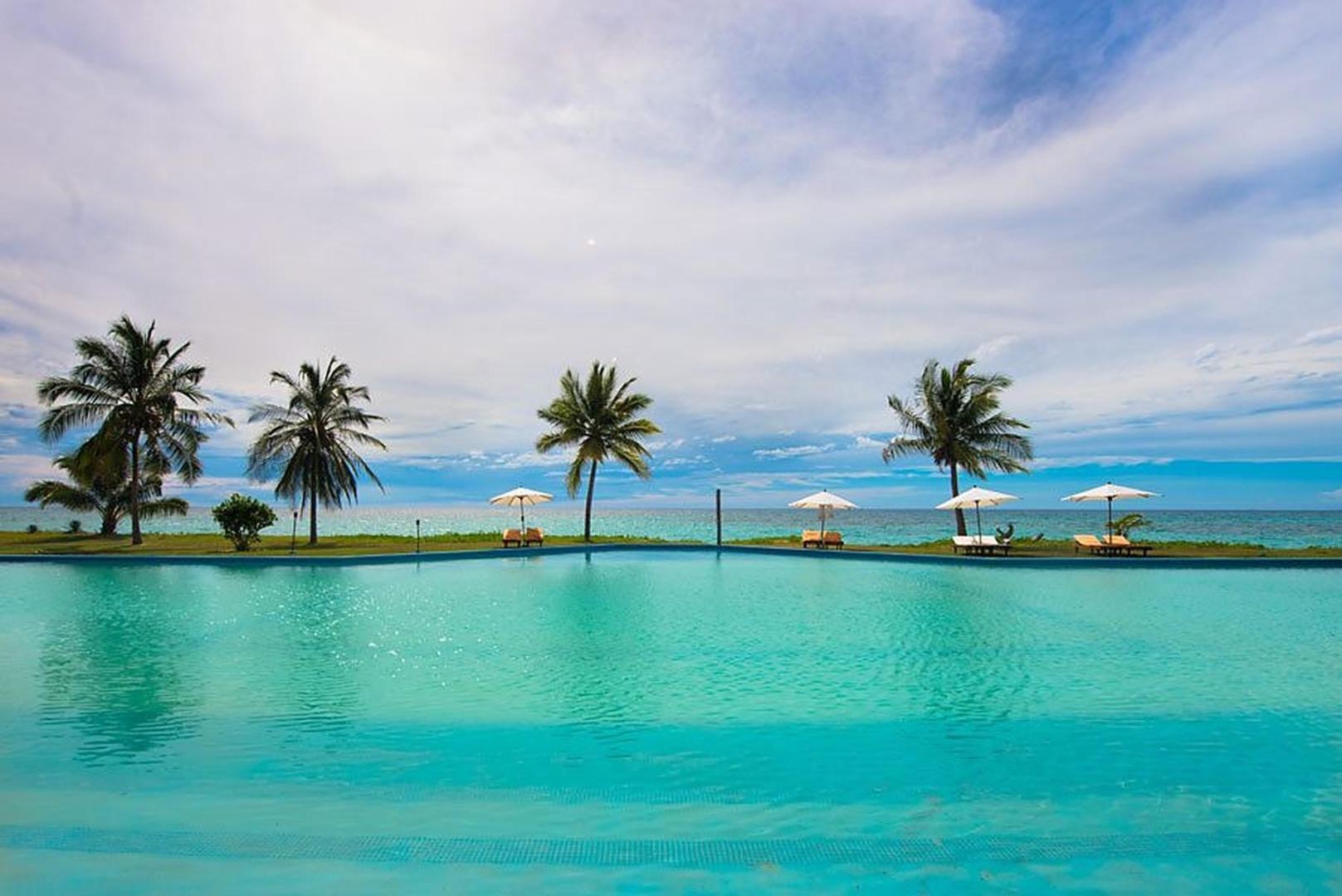
The island’s centrepiece is a 50-metre Olympic pool. On the water, snorkelling, kayaks and canoes, sailing dinghies and windsurfers are free to use, and so on land are archery, billiards, table tennis, beach volleyball and the pool itself; the charged extras include water-skiing and kneeboard, deep-sea fishing, the golf practice range and bicycle hire. The spa — massages with Madagascar essential oils — and the jacuzzi are also charged on top of the rate. Boats run excursions to the former prison island of Nosy Lava, to the village of Analalava and its mangroves, to the Radama archipelago and to the Sahamalaza National Park, thirty minutes away, where the blue-eyed lemur is protected.
Nosy Saba in one document — photos, island facts, and regional background.
How Private Is This Island?
Nosy Saba is one hotel on its own island, and everyone on it is a guest or a member of the team: there is no village, no public ferry and no day-trip trade — the boats and the island’s own airstrip bring only the lodge’s arrivals. At full house that is 84 guests and the staff, spread across 320 acres and more than four kilometres of shoreline, so the beaches and the forest are empty in practice even when the lodge is full. The discretion is policy as well as geography: the lodge never communicates about its guests.
The island can also be taken whole. The privatisation tariff takes all 27 suites — the twelve Junior and fifteen Senior Suites together — for a minimum of three nights, from EUR 15,000 a day, and weddings, seminars and private parties are the lodge’s stated business. One group then has the island entire: both restaurants, the pool, the spa and the forest, with nobody else’s holiday running alongside.
Getting There
Nosy Saba is reached through Nosy Be, whose Fascène Airport takes Ethiopian Airlines flights from Addis Ababa, Air Austral from Réunion, Airlink from Johannesburg and daily Madagascar Airlines flights from Antananarivo. From Nosy Be the lodge’s transfers run every day: thirty minutes by private plane to the island’s own airstrip, or two and a half to three hours by boat from Hell-Ville, Ambatoloaka, Ankify or Antsohihy. Transfer prices are quoted on request. The island closes each year from mid-January to mid-April.
Sustainability
The island’s nature is its protected asset. Nosy Saba is held as a preserved heritage by Madagascar’s National Office for the Environment: its 12 hectares — some 30 acres — of primary forest shelter blue-eyed black lemurs, chameleons, geckos and fruit bats, and its beaches are a nesting shore for sea turtles. Offshore, the island sits inside the Sahamalaza–Radama UNESCO marine biosphere reserve, whose national park protects eight lemur species and more than two hundred corals; dugongs and whale sharks pass through its waters. The lodge is built the low-impact way the island asks for — local woods and fibres, palm-thatch roofs that cool the suites — and its excursions are run as visits to the reserve and the park, not through them.
PRICE — PUBLISHED RATE
From EUR 210per night
Junior Suite Seafront · low season · breakfast included
Senior Suites from EUR 330 · whole island from EUR 15,000 per day · transfers extra
Published rate · checked Nov 2026