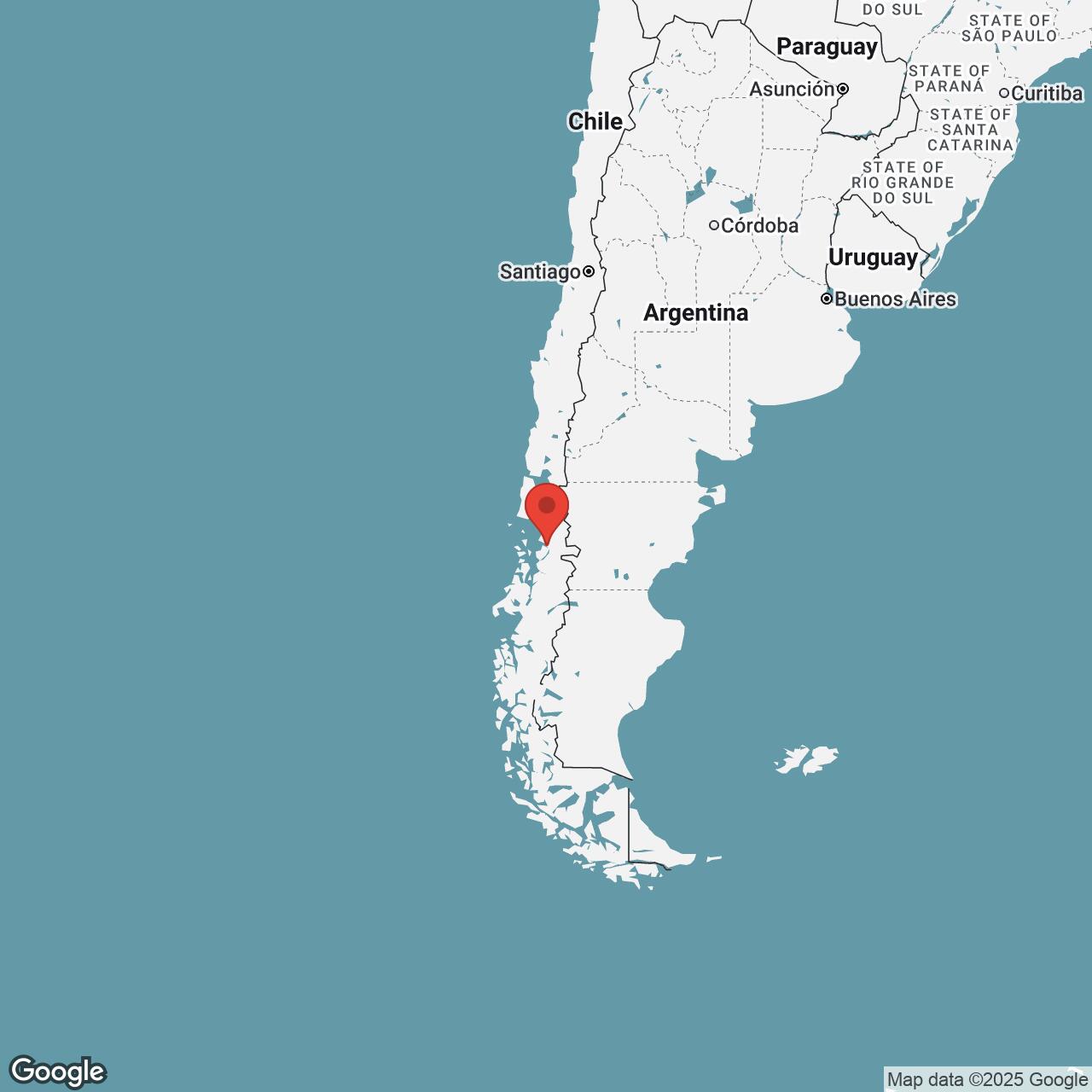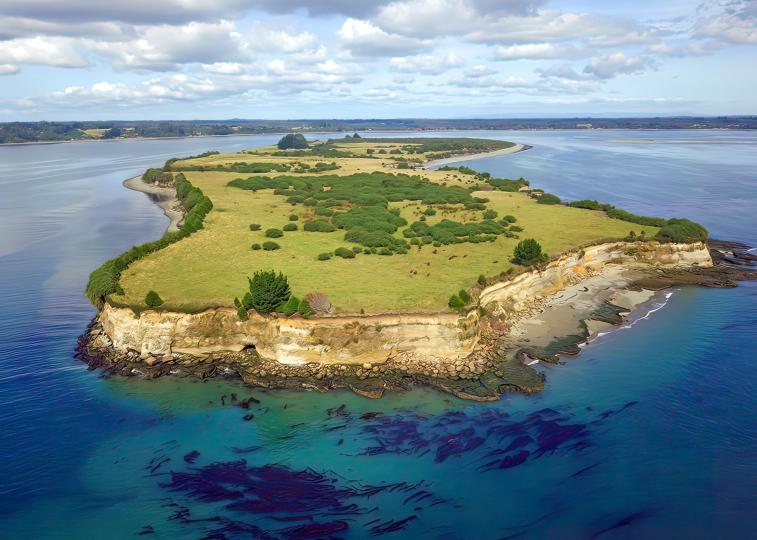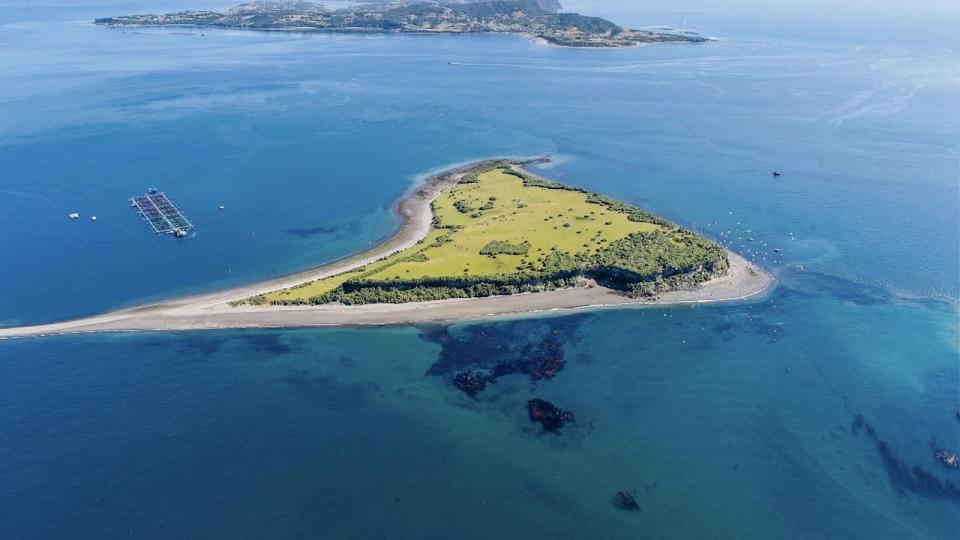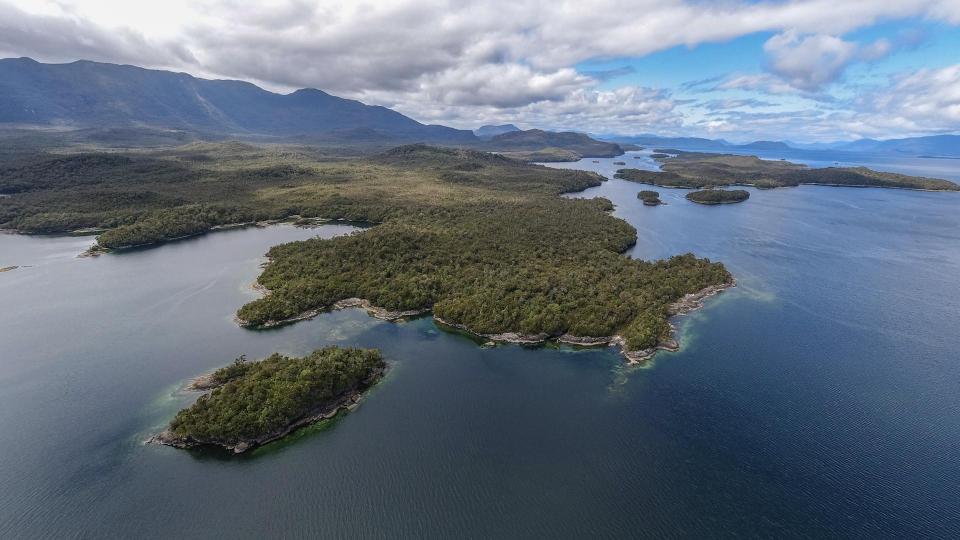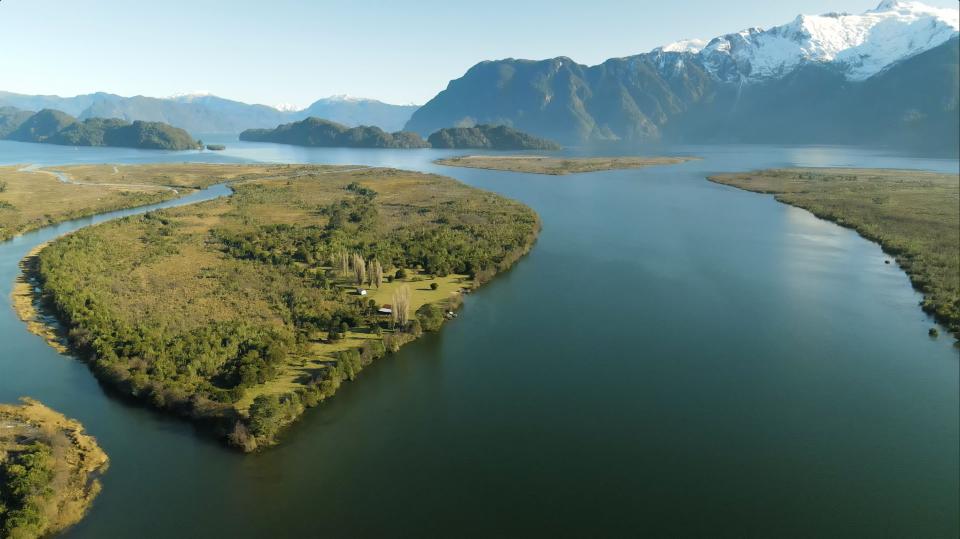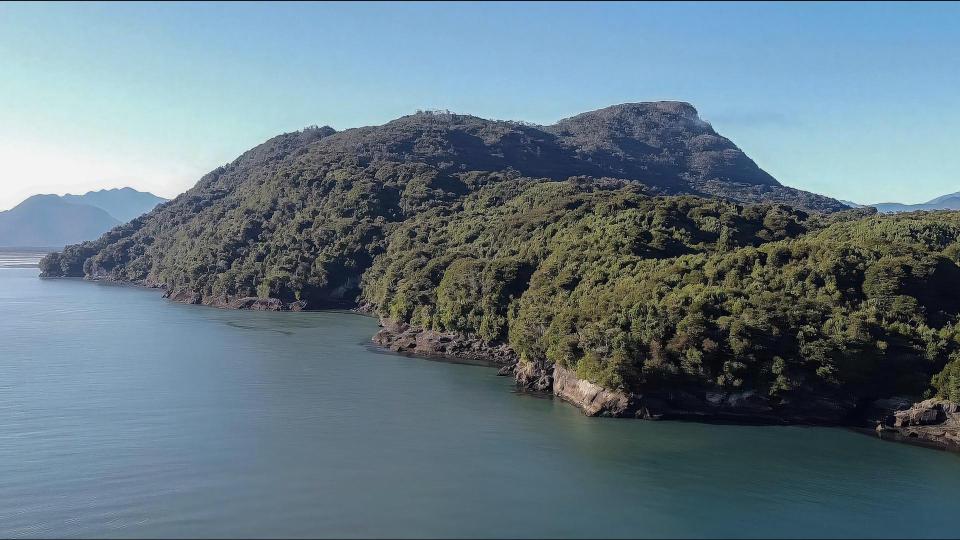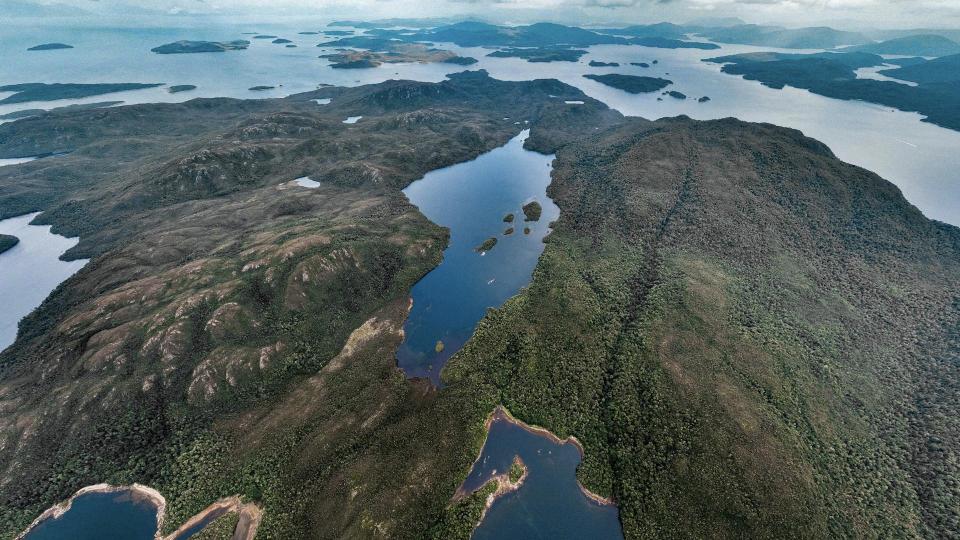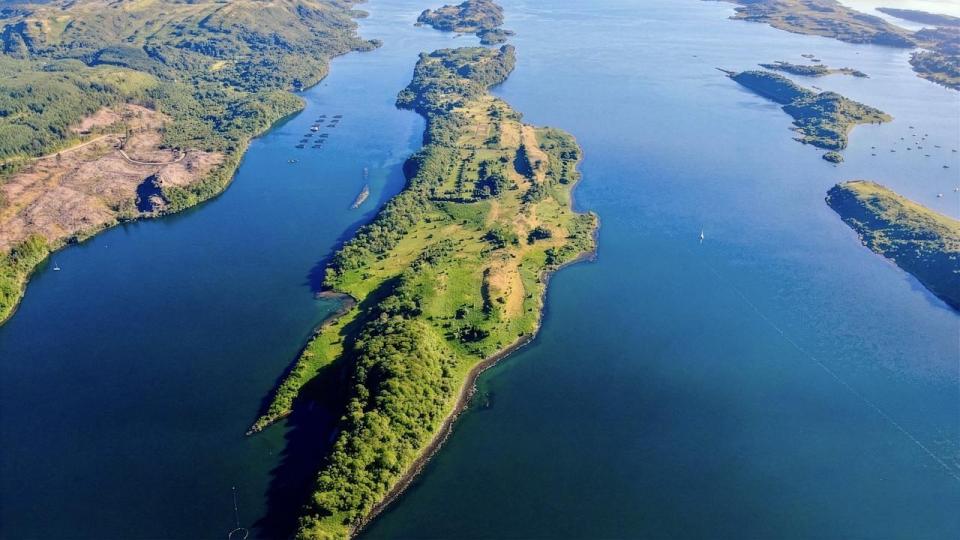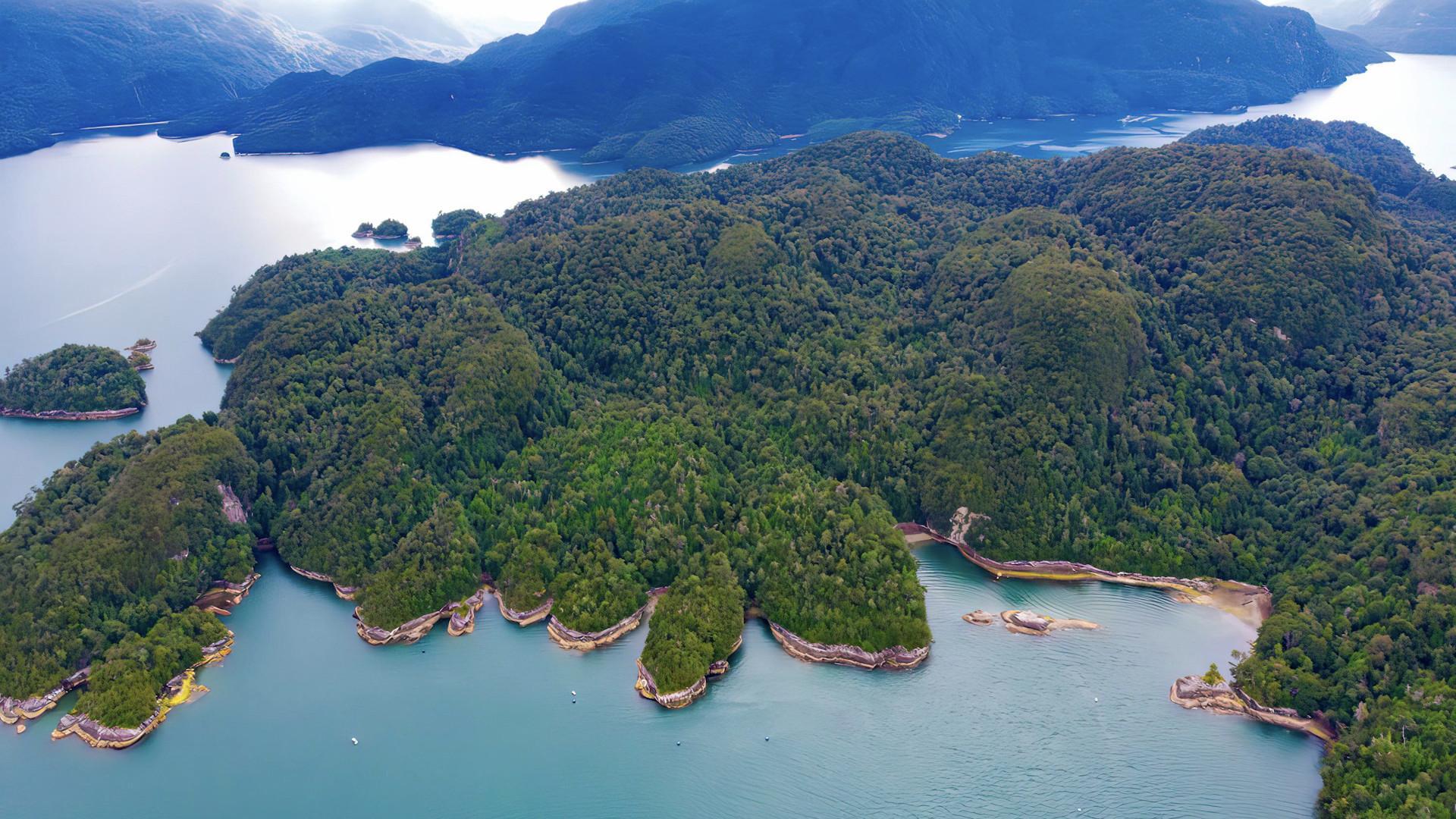
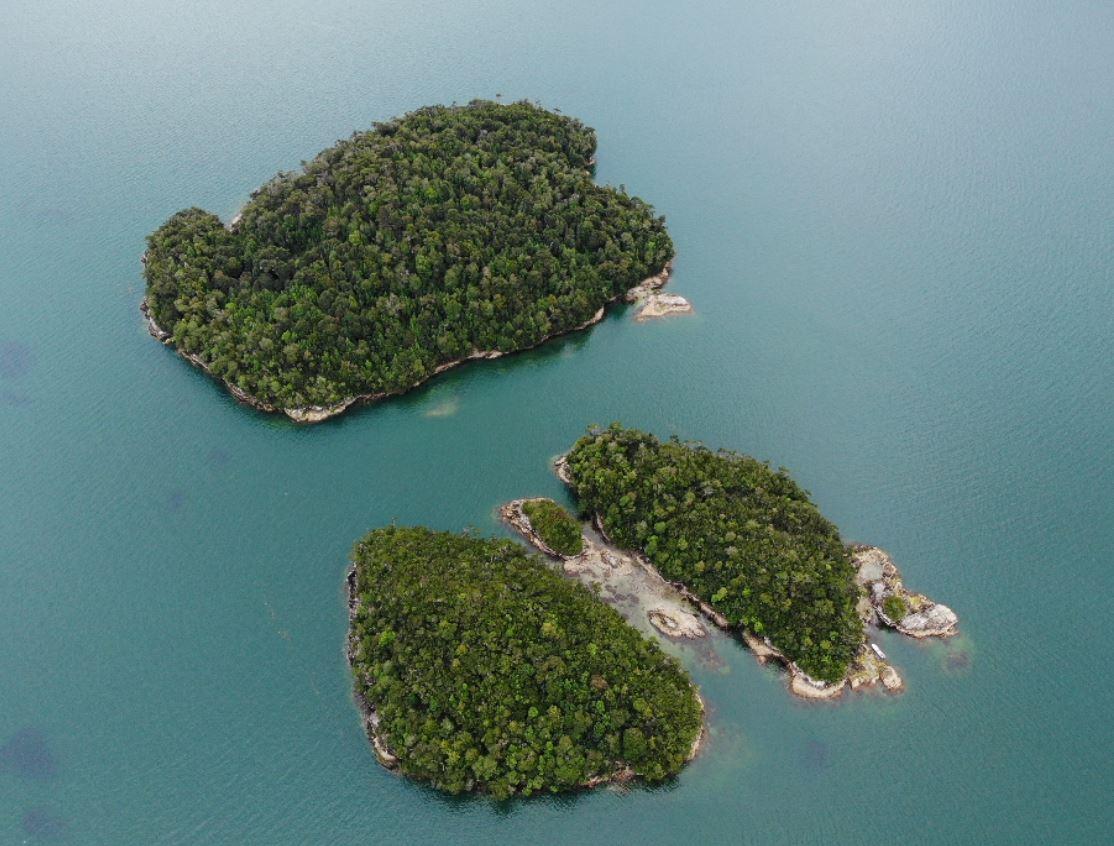
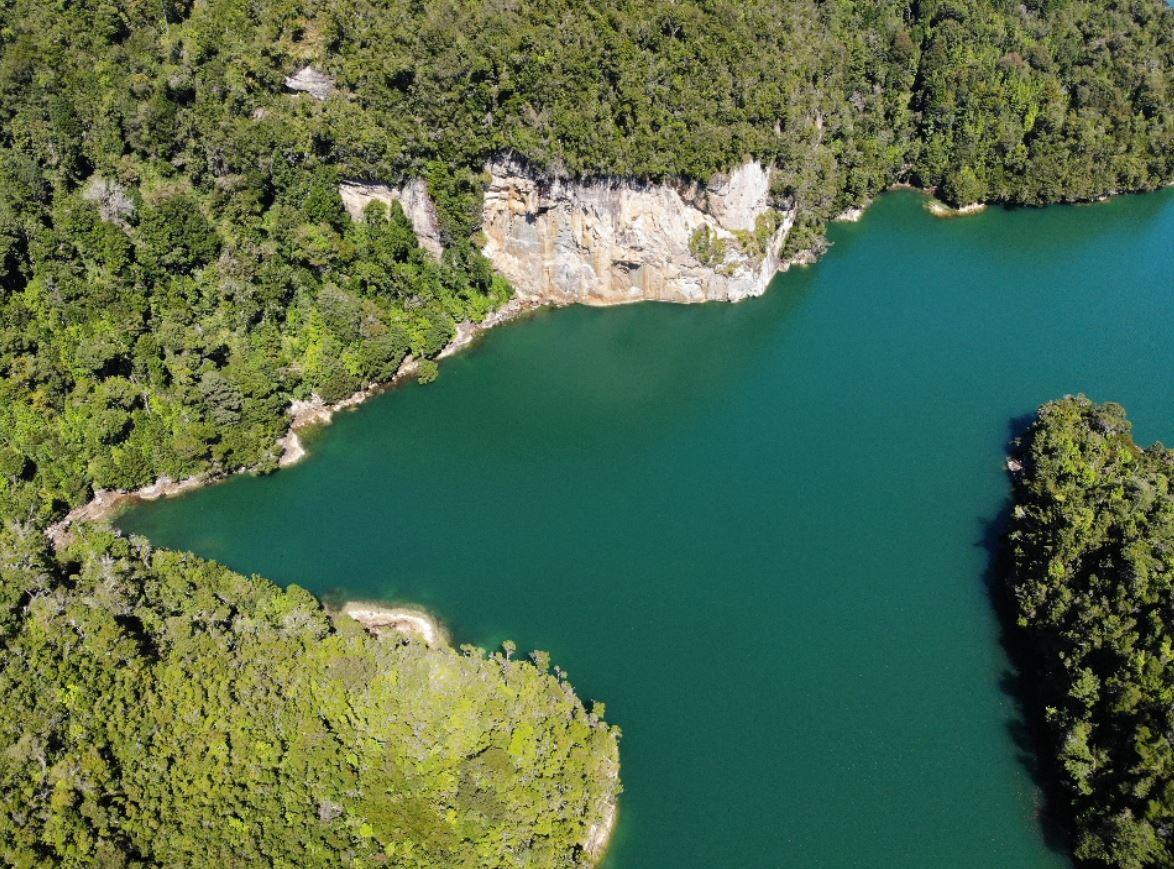
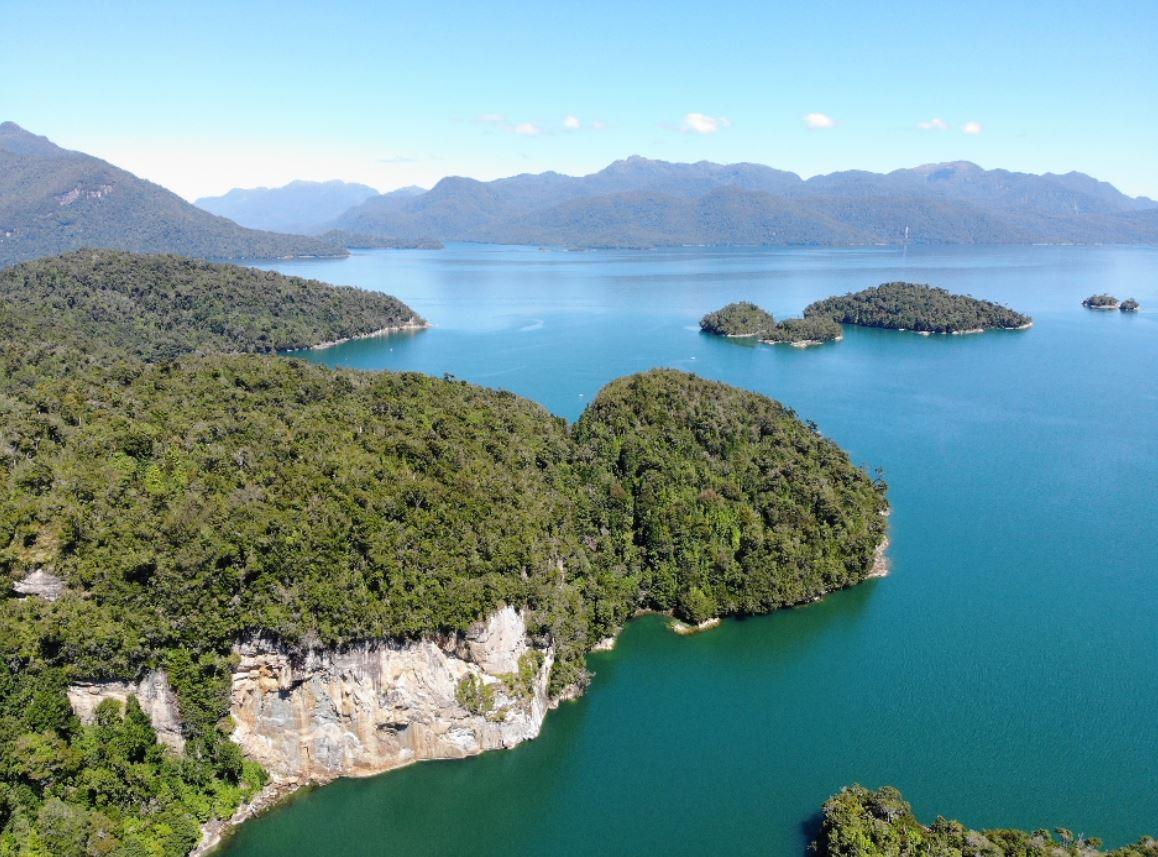
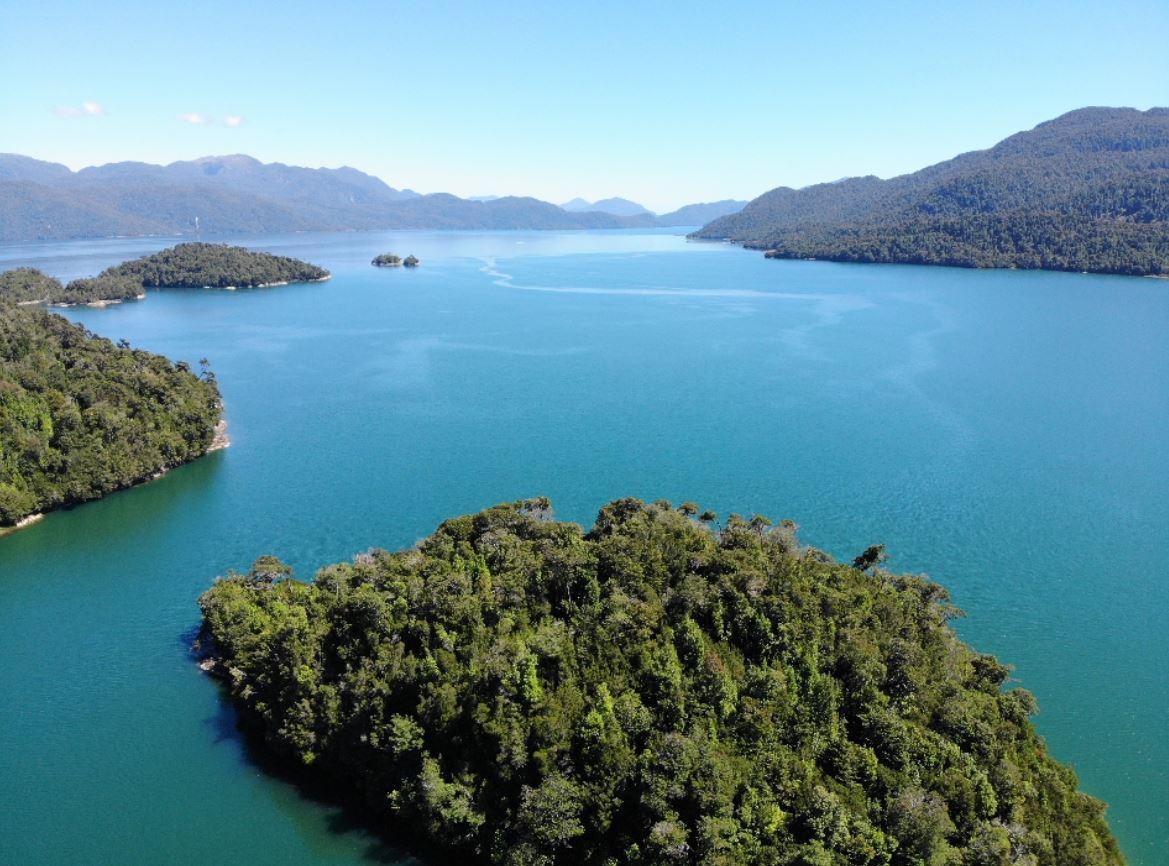
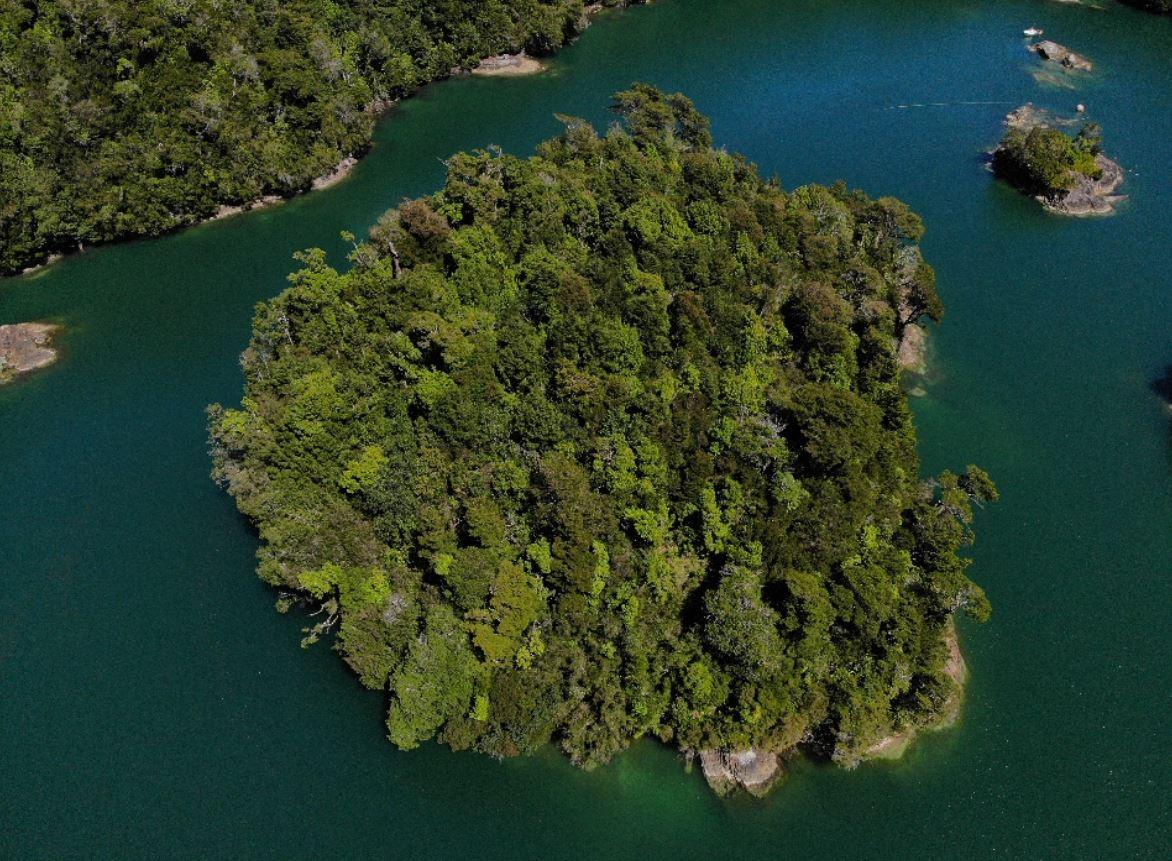
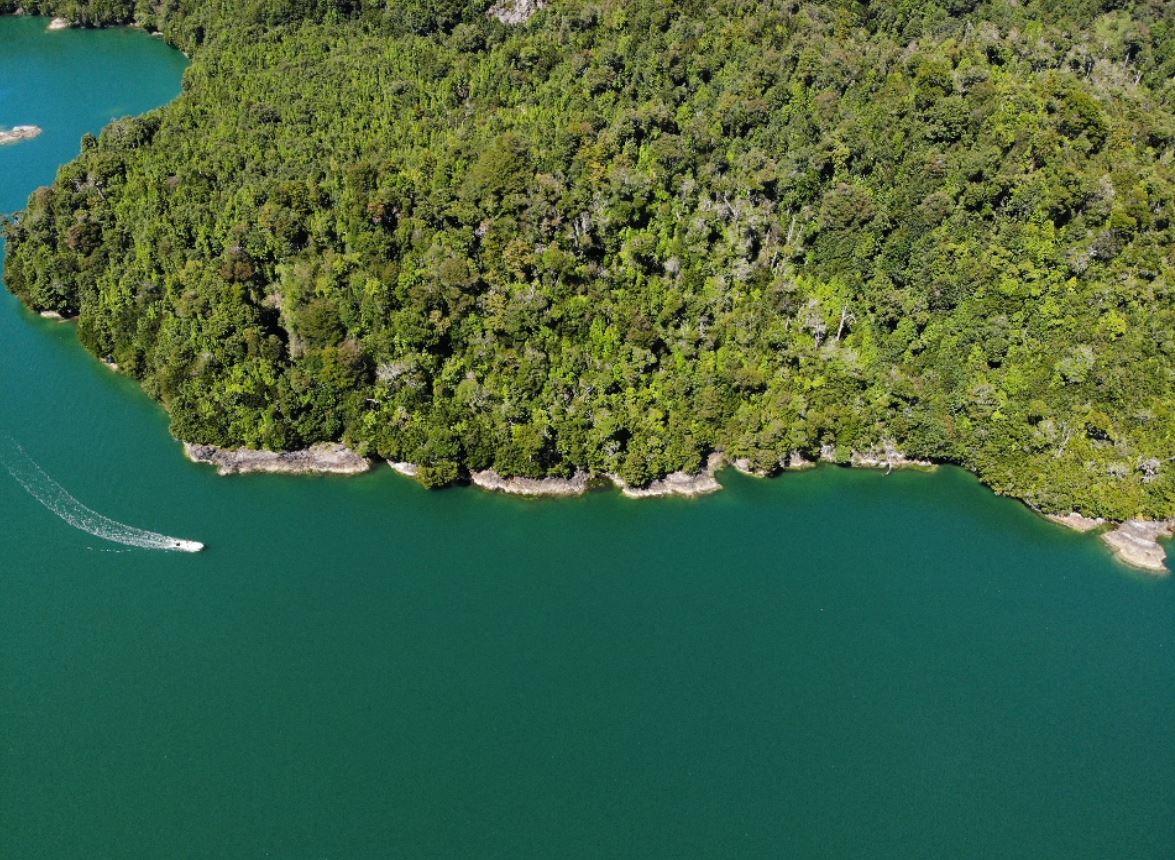
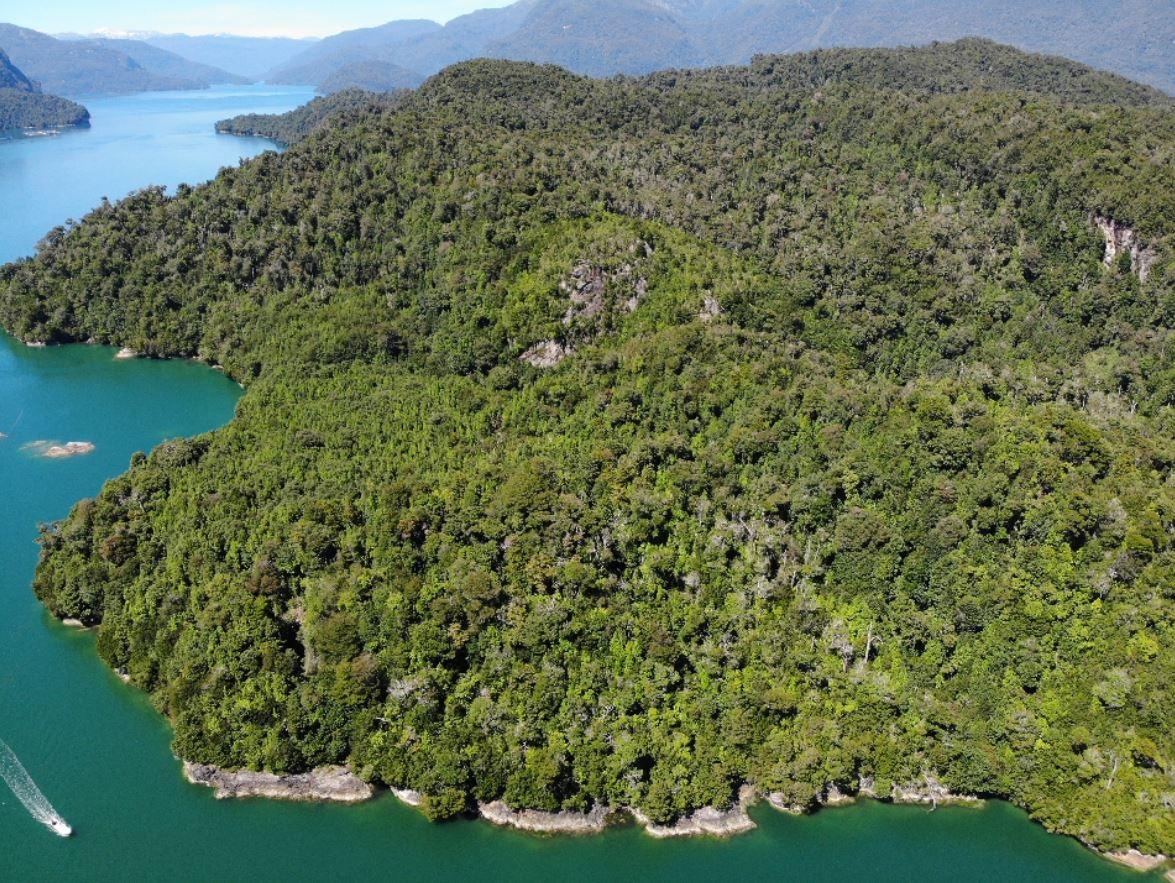
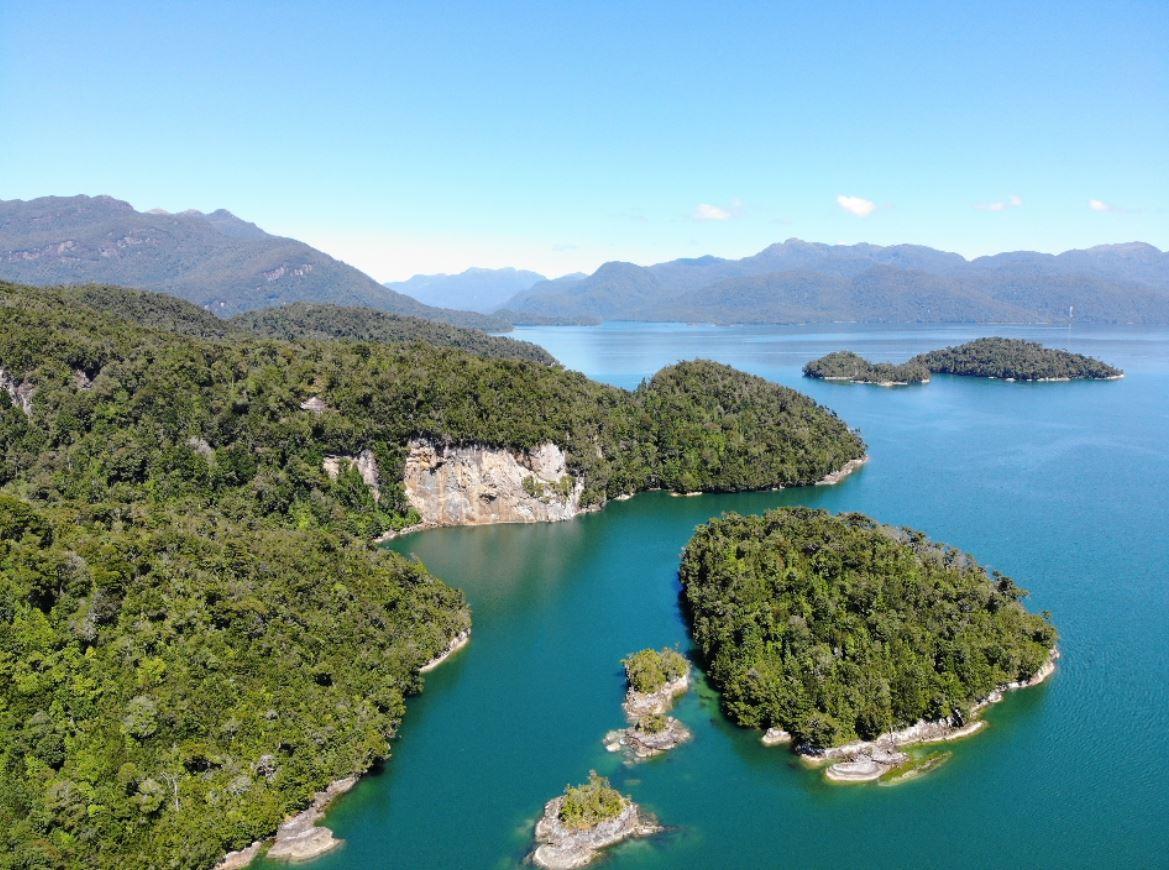
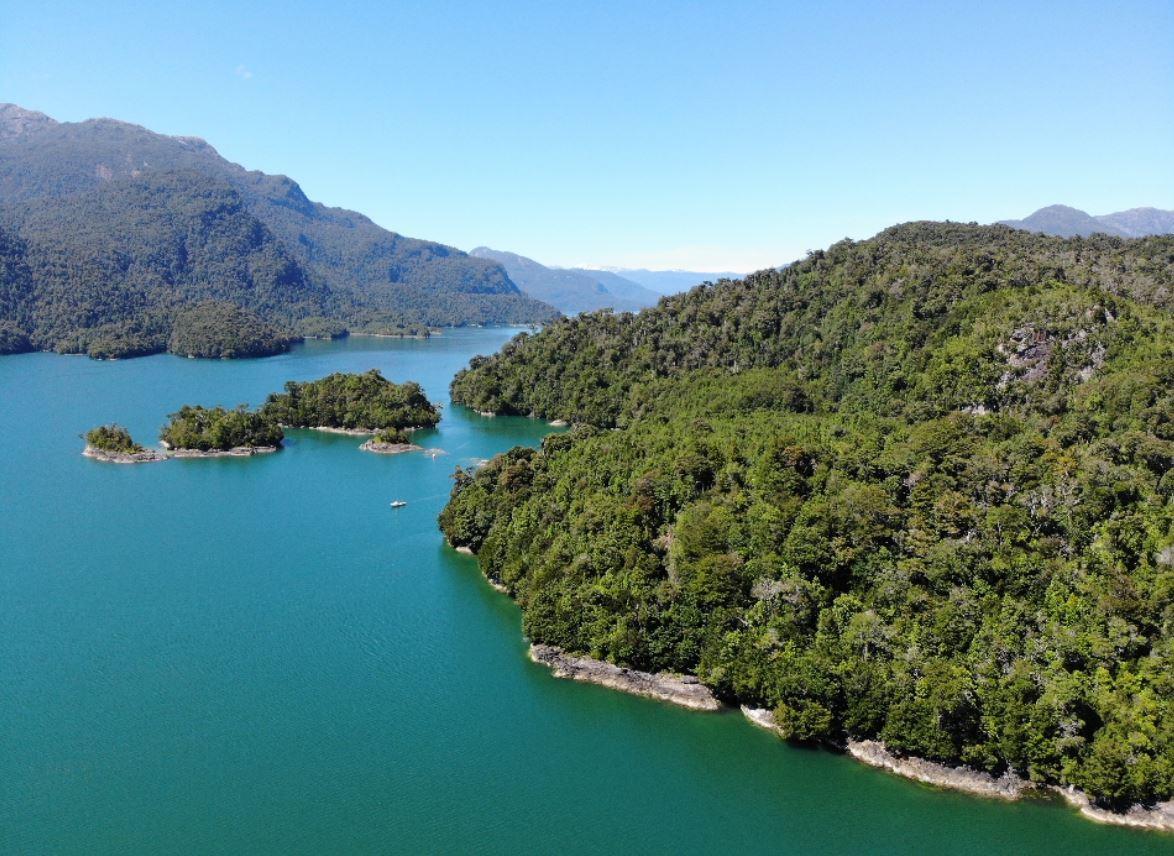
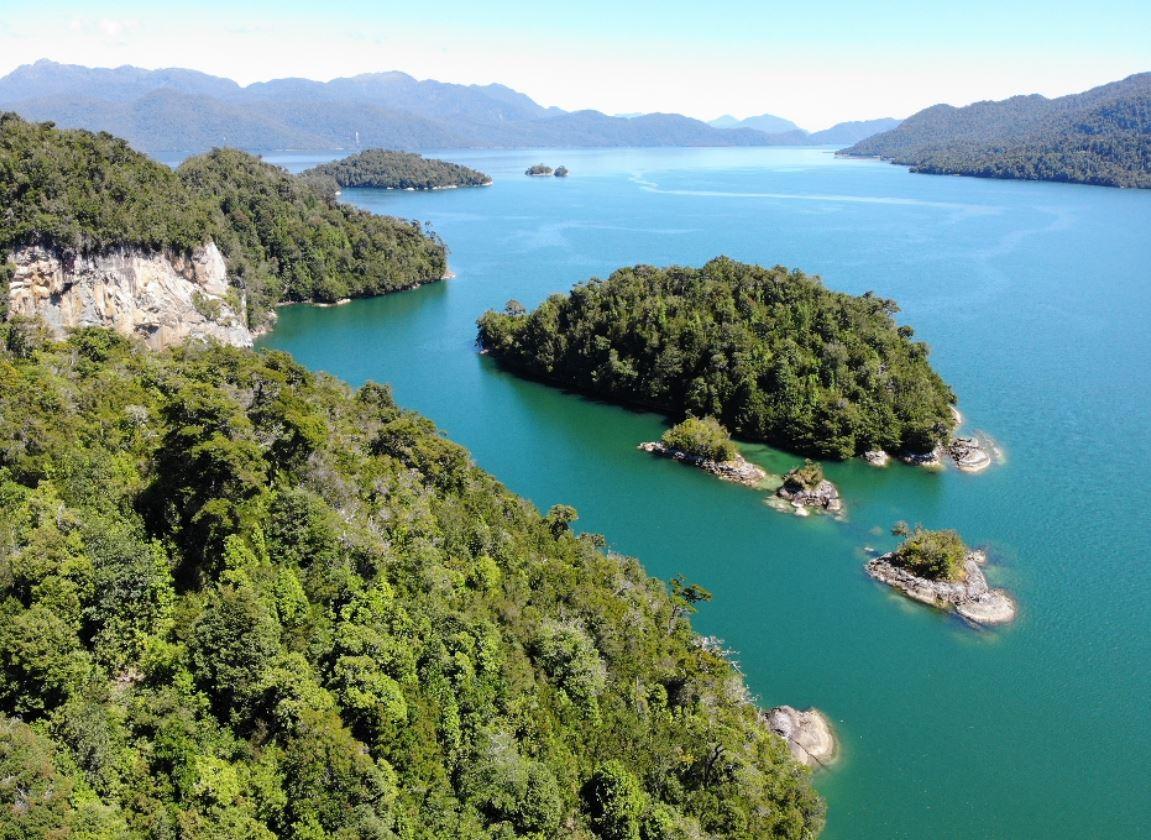
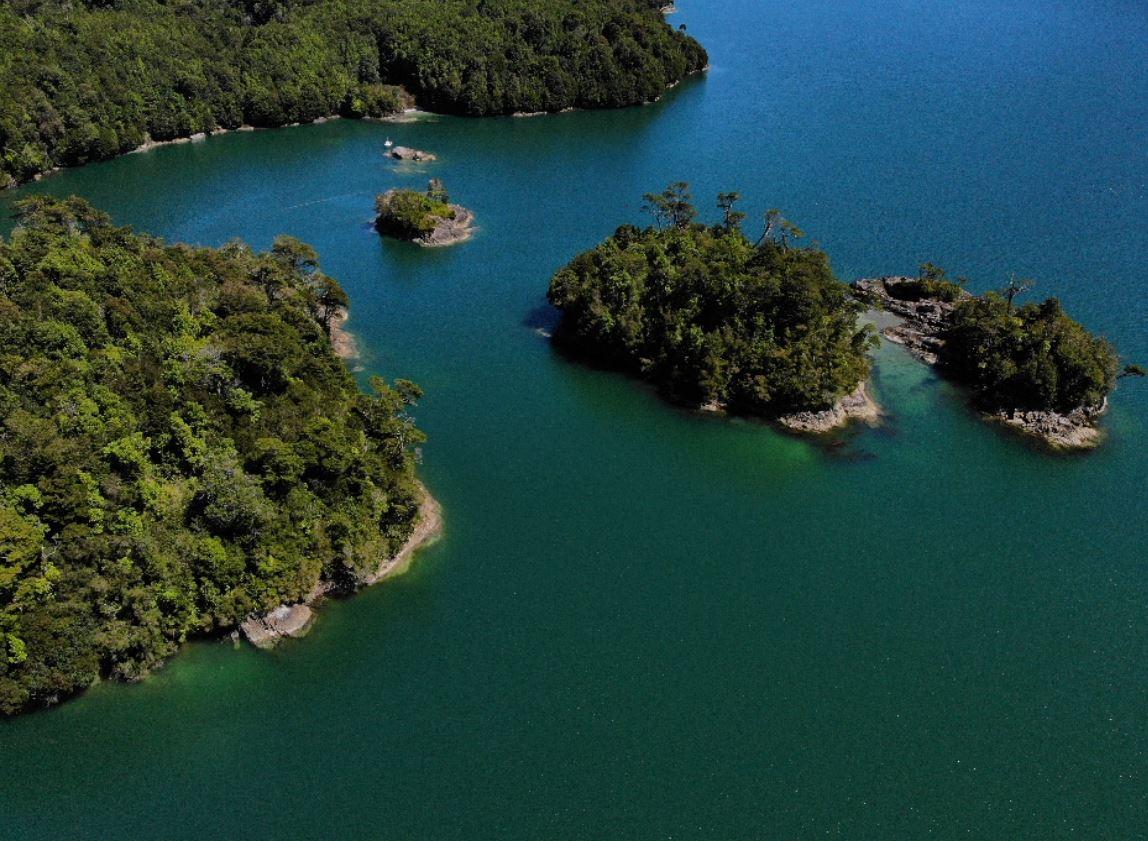
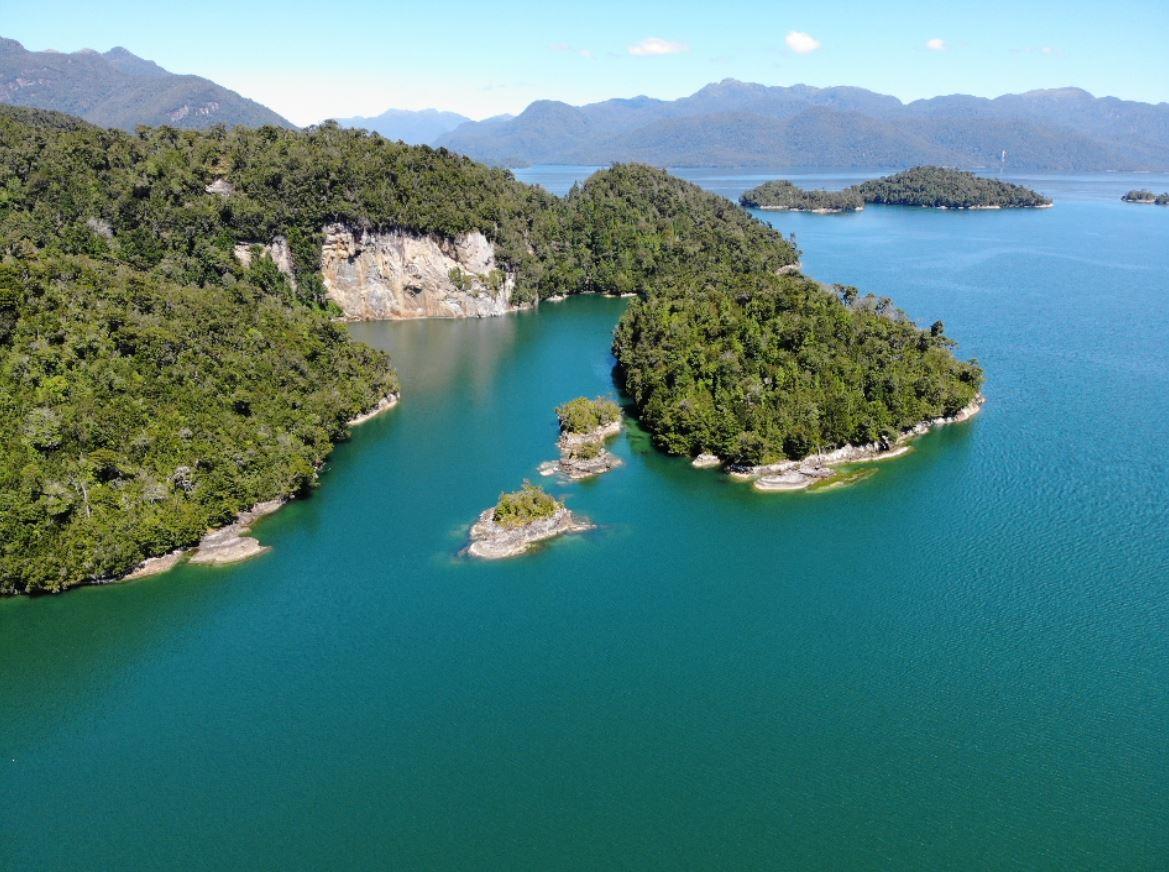
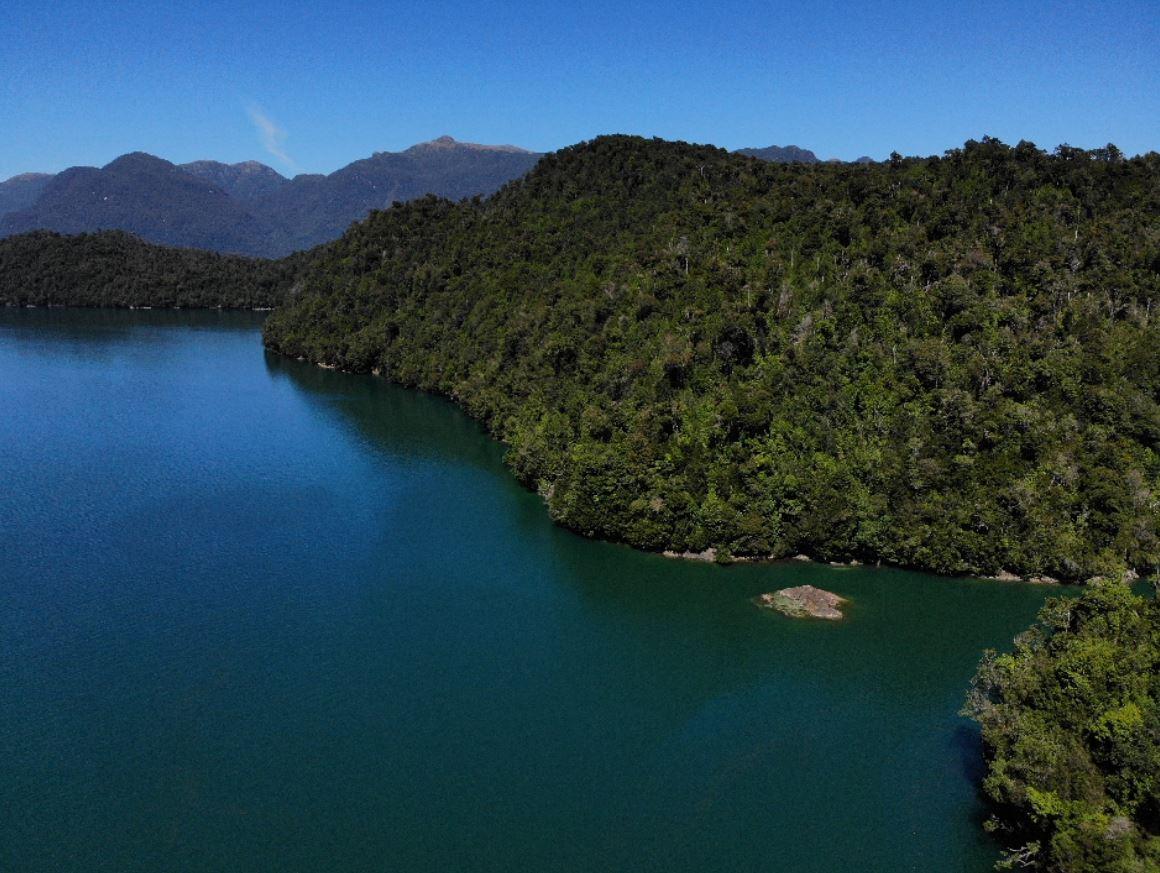
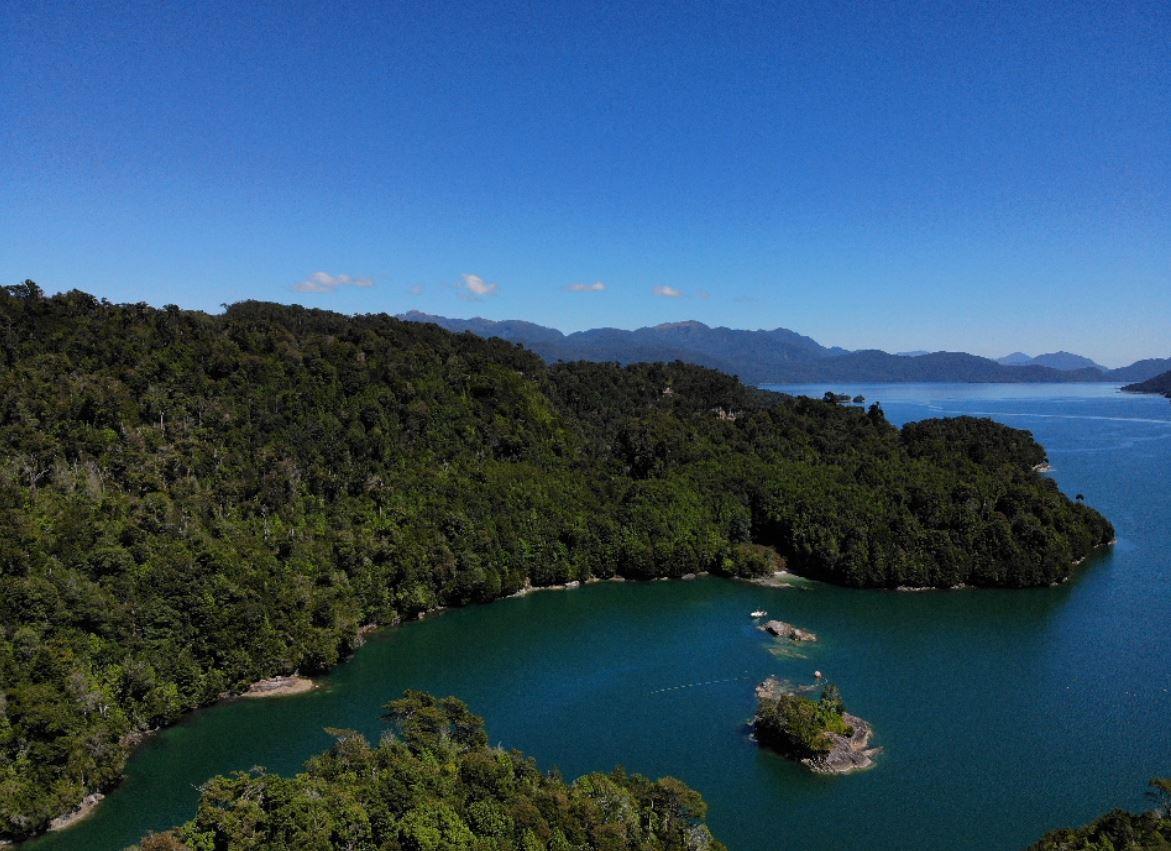
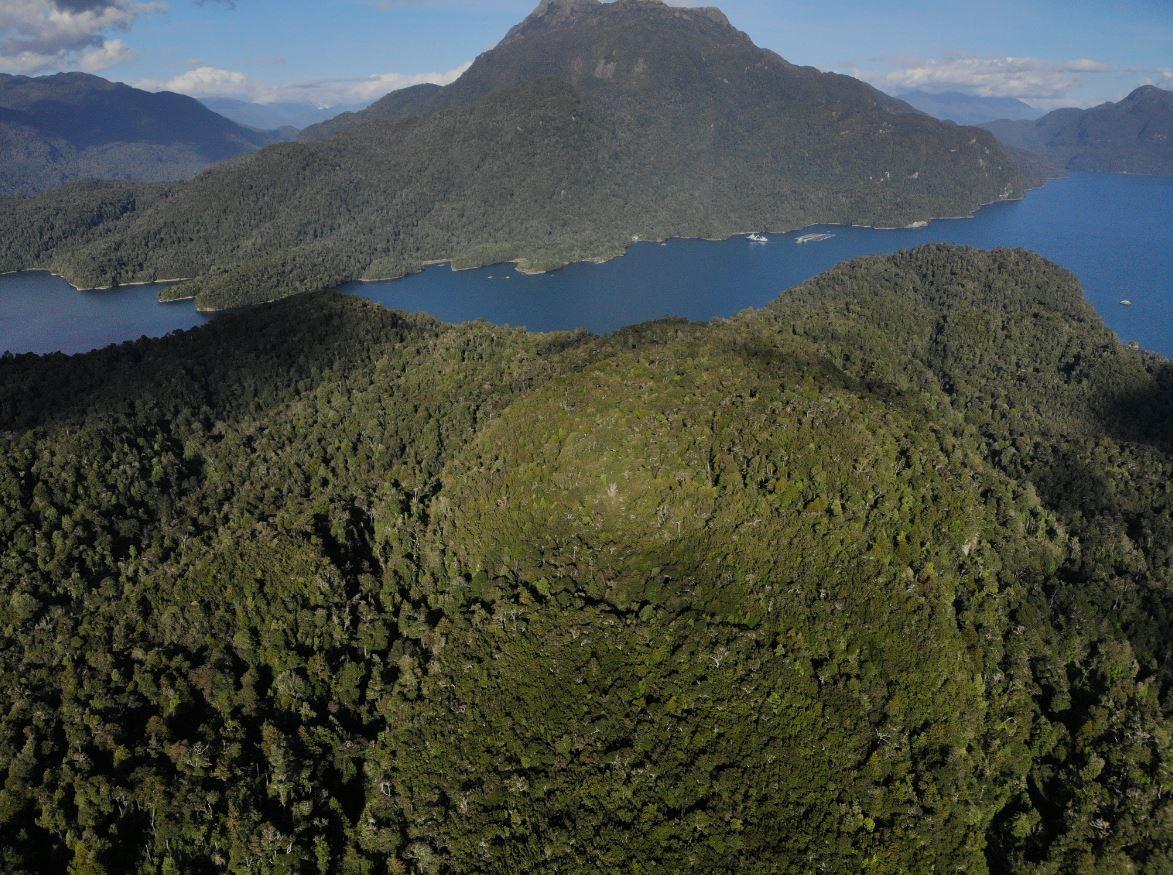
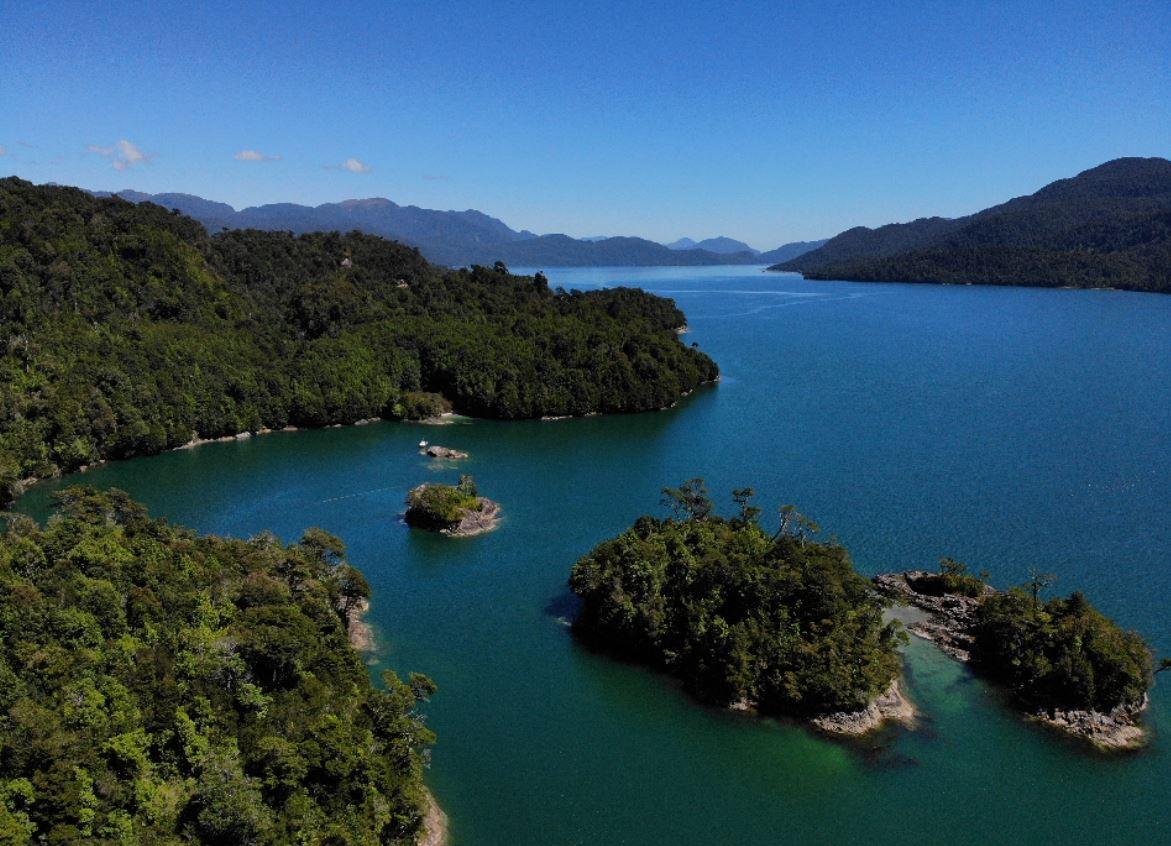
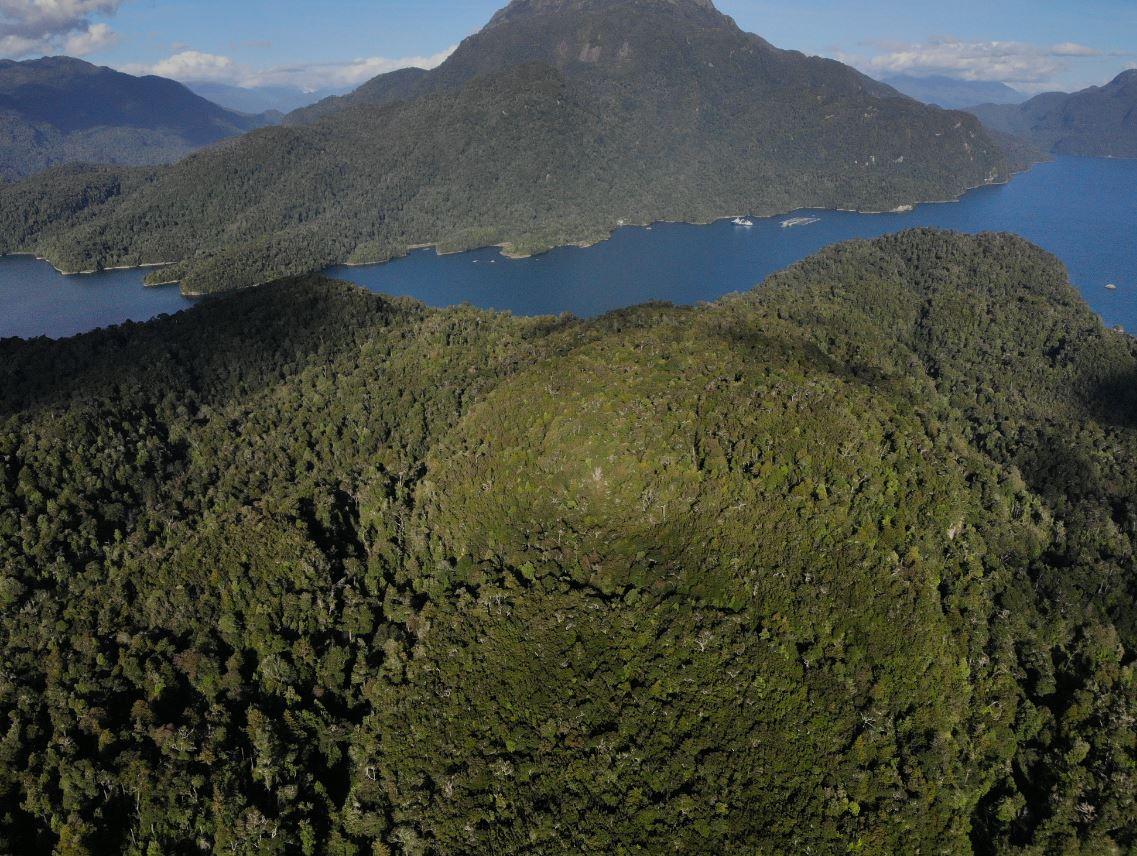
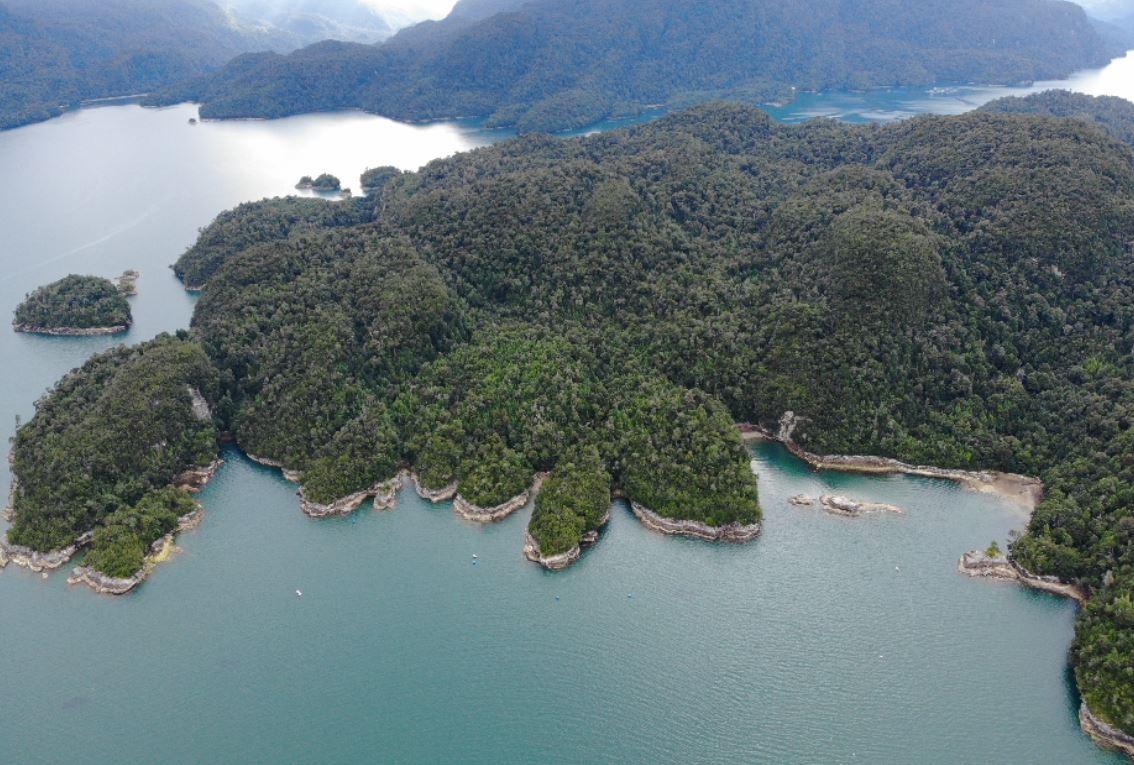
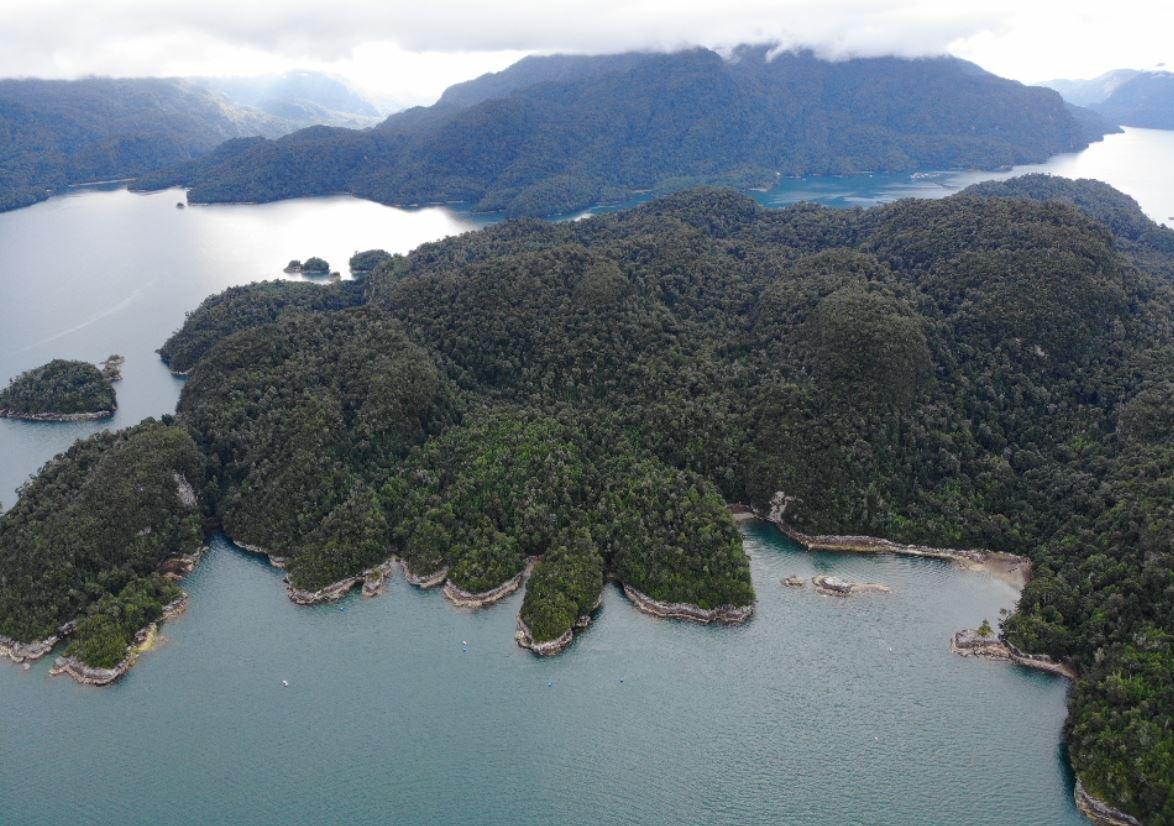
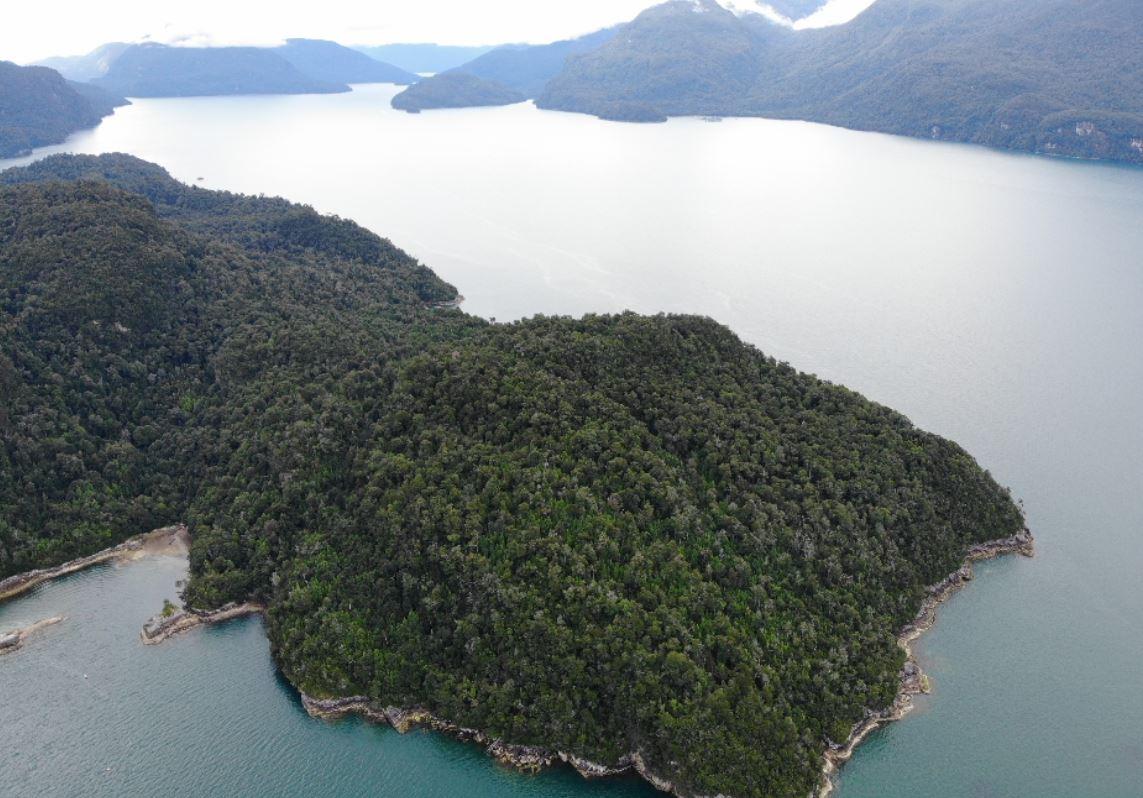
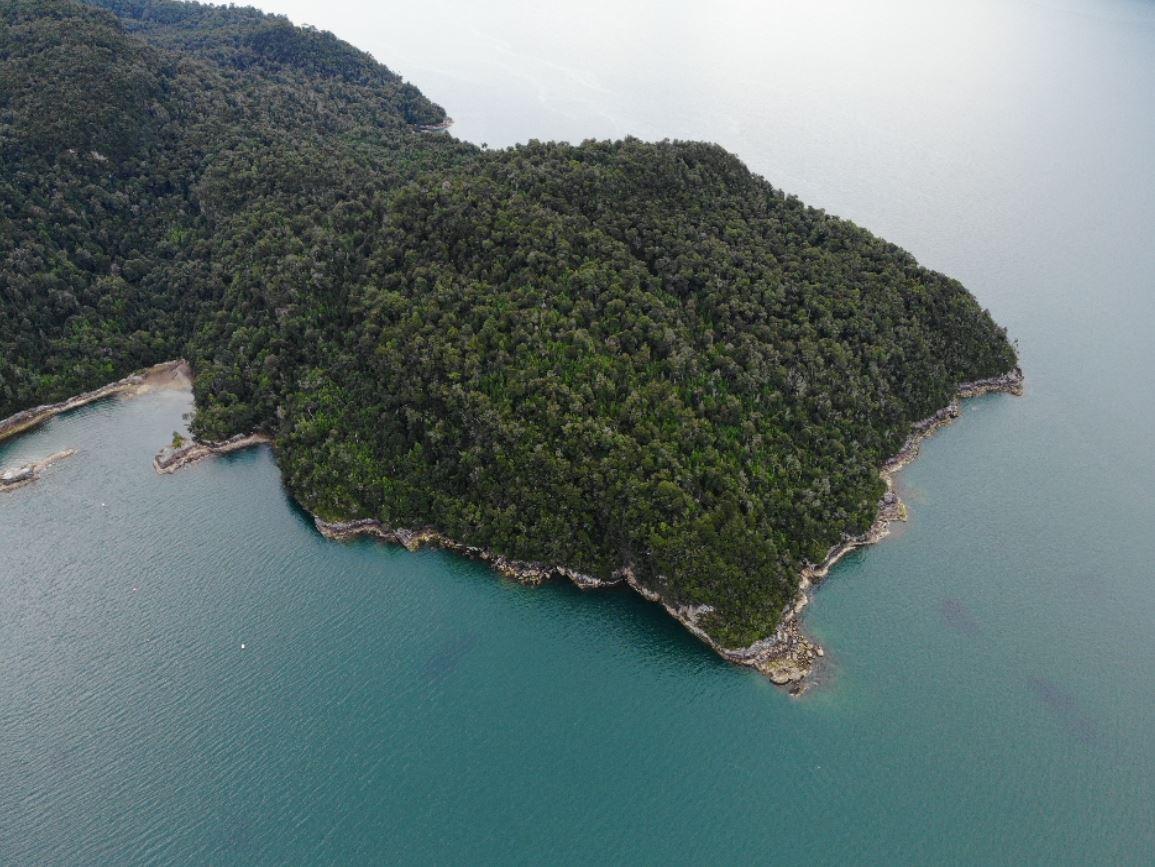
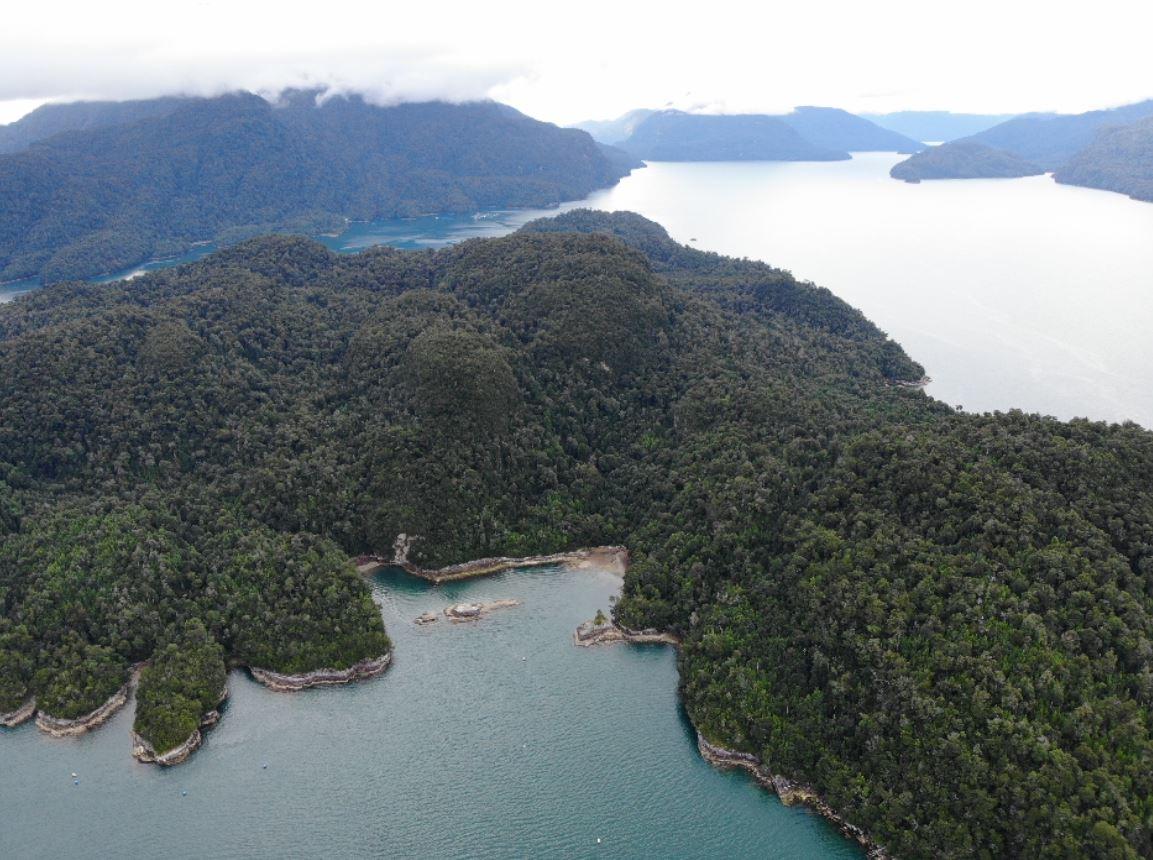
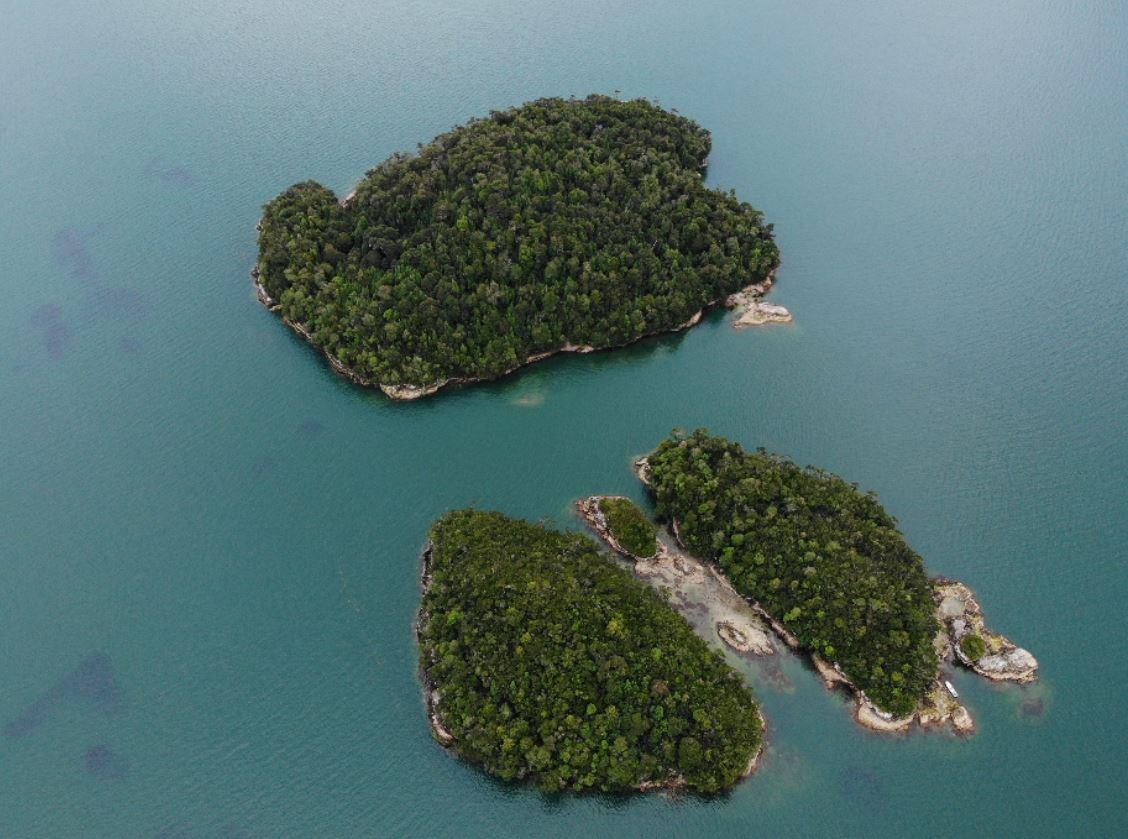
This extraordinary dual-island offering represents one of the last truly pristine private holdings in the Aysén Region of Chilean Patagonia. Comprising the 901.5-acre Guardiamarina Zanartu and the adjacent 49.4-acre San Andres, this 950-acre territory has been held by the same family for over three decades. Entirely untouched and surrounded by the dramatic fjords and glacial channels of the Puyuhuapi region, the islands serve as a "blank canvas" for a world-class conservation project, a high-end fishing lodge, or a secluded private wilderness retreat.
Property Details
The islands offer a scale of territory that allows for significant low-impact development while maintaining absolute ecological integrity.
Development Potential: Guardiamarina Zanartu’s vast acreage is ideally suited for a premier fly-fishing lodge or an eco-luxury compound. The interior topography allows for the creation of miles of private trekking and mountain biking trails through ancient evergreen forests.
Flora & Fauna: The islands are blanketed in a lush Andean forest featuring Southern beech (Nothofagus), dwarf maitén, and numerous endemic species. The ecosystem supports local wildlife characteristic of the nearby Queulat National Park, including condors, pumas, and the elusive pudú—the world’s smallest deer.
Investment Profile: In a 2026 market that prizes "natural capital" and climate-resilient landholdings, this 950-acre duo stands as a significant asset in one of the world's most stable and sought-after wilderness corridors.
Land and Water
The maritime environment of the Aysén Province is a world-renowned destination for sports enthusiasts and nature seekers.
Angling & Marine Life: The surrounding waters are teeming with rainbow trout and salmon, making it a premier destination for fly-fishing. The shoreline is rich with fresh abalones and offers deep-water access for exploration vessels.
Freshwater Resources: The larger island features interior freshwater streams and coastal edges that create a diverse hydrological landscape, essential for self-sufficient off-grid living.
Recreation: The calm fjords surrounding the islands provide a protected environment for kayaking, paddleboarding, and cold-water swimming amidst some of the most dramatic fjord landscapes on Earth.
Access and Utilities
Despite their profound sense of seclusion, the islands are logistically connected to regional transportation hubs.
Transit: International travelers typically arrive at Balmaceda Airport (BBA). From there, the islands are reachable via a scenic drive to Puerto Cisnes or Puyuhuapi, followed by a private boat transfer (1.5 to 3 hours depending on the departure point).
Aviation: Smaller private aircraft can utilize the local airstrips at Puerto Cisnes and Puerto Puyuhuapi for more direct access.
Utilities: As non-developed sites, the islands are prime candidates for 100% renewable energy systems. The consistent winds of the Patagonian fjords and the potential for micro-hydro from freshwater streams support a sophisticated, zero-carbon infrastructure.
Lifestyle and Value
Ownership of Guardiamarina Zanartu and San Andres is an invitation to inhabit the "End of the World" in total comfort. It is a place where the air is among the purest on the planet and the silence is only broken by the sound of calving glaciers in the distance. Positioned near the forest-covered Puyuhuapi Hot Springs and the "Hanging Glacier" of Queulat, the islands sit at the heart of Patagonia’s most iconic attractions. This is a rare chance to steward a vast, untouched sanctuary in a region defined by its enduring beauty and ecological significance.