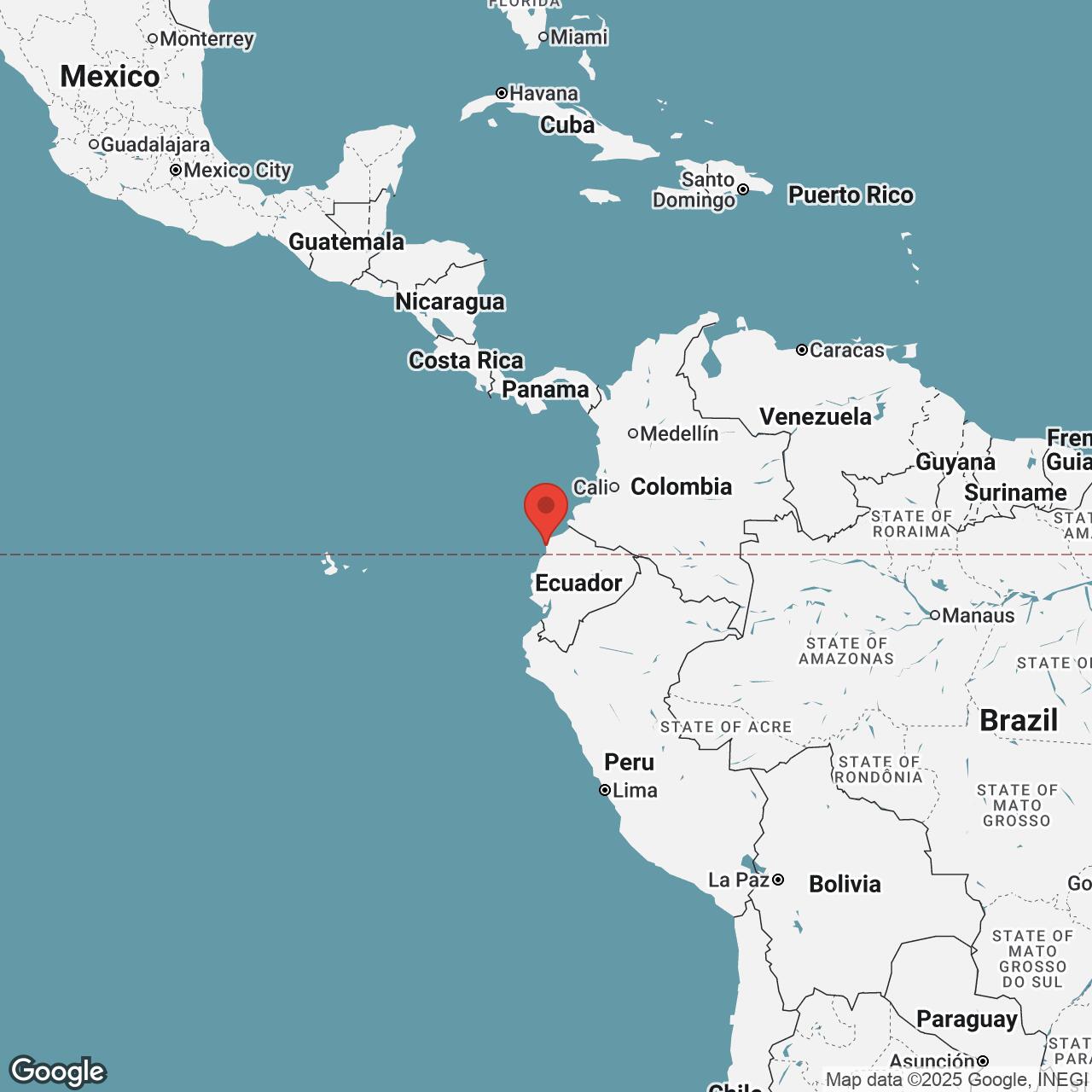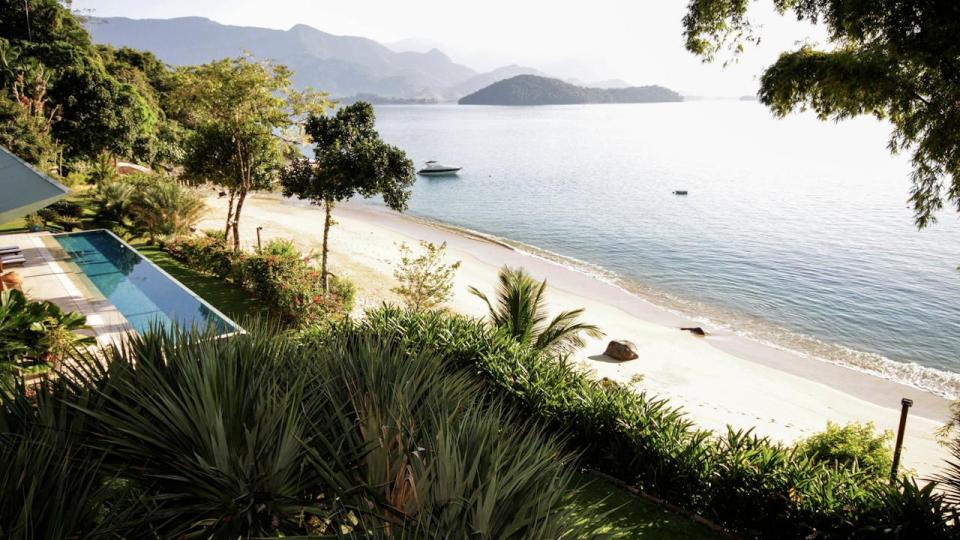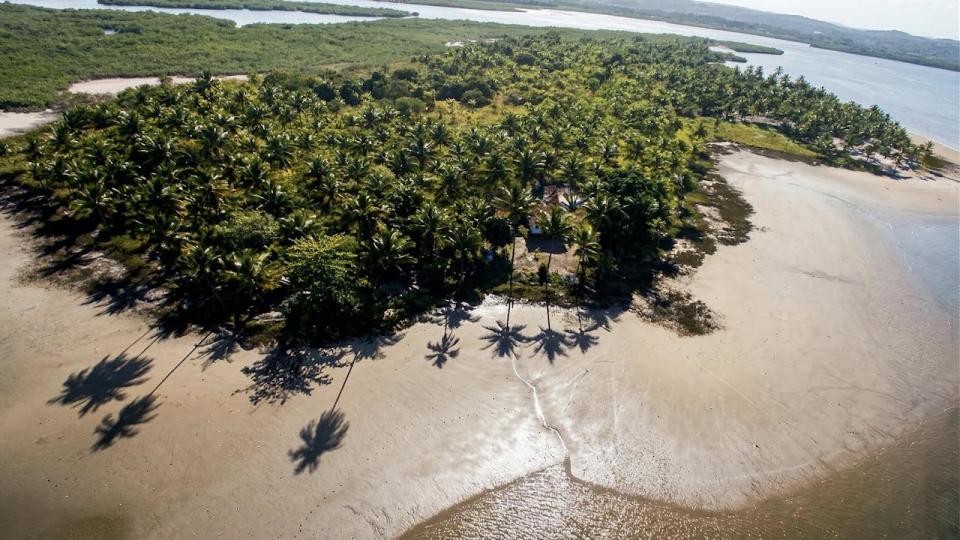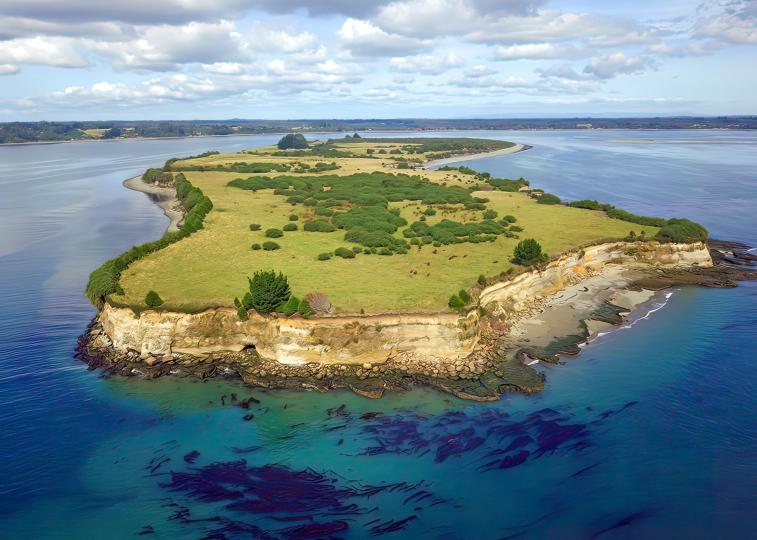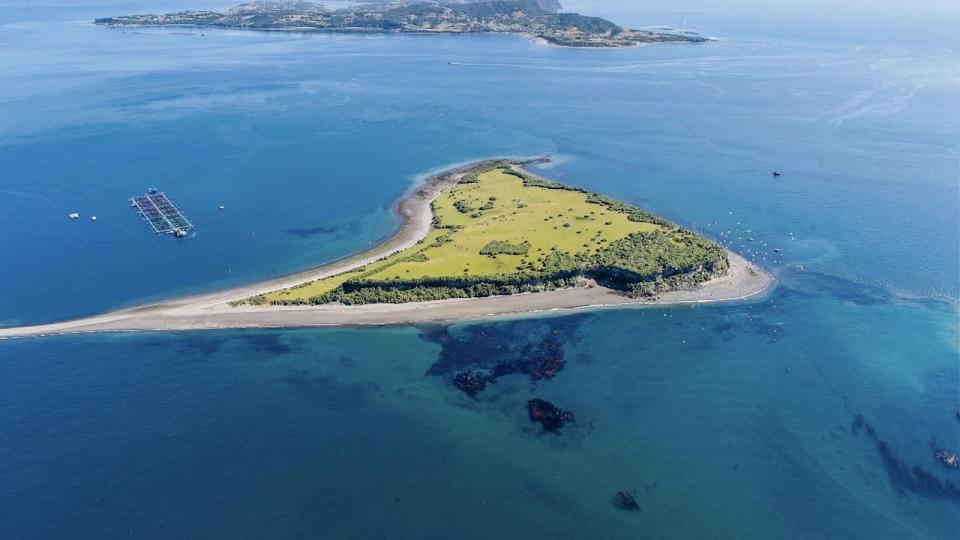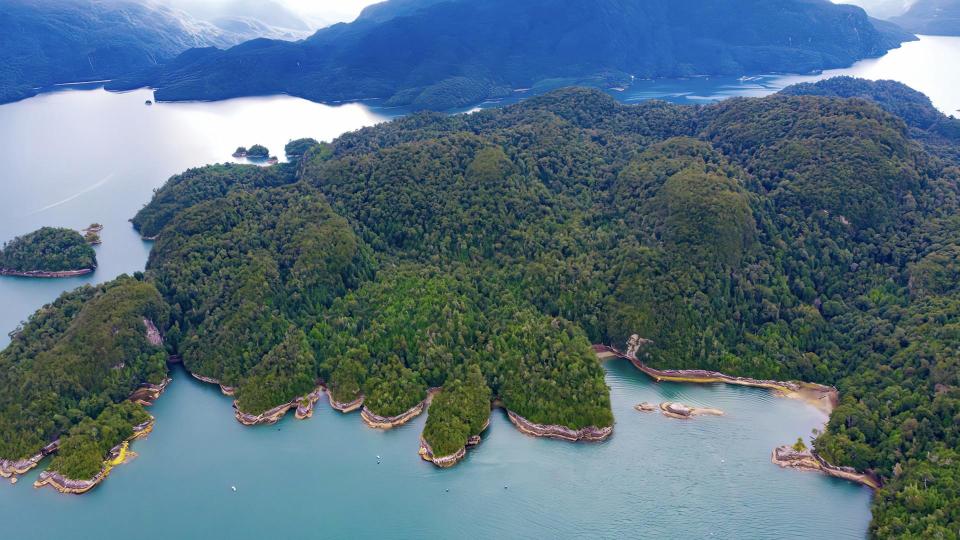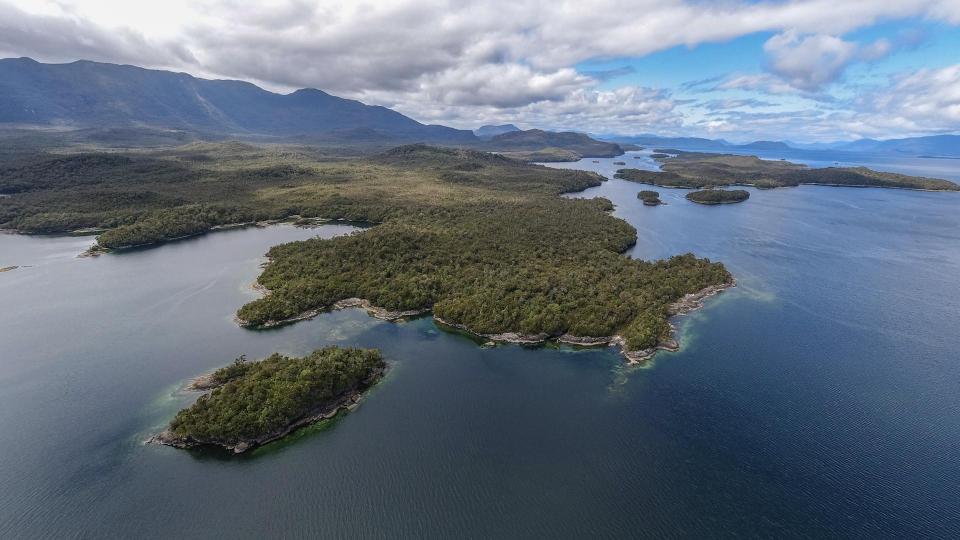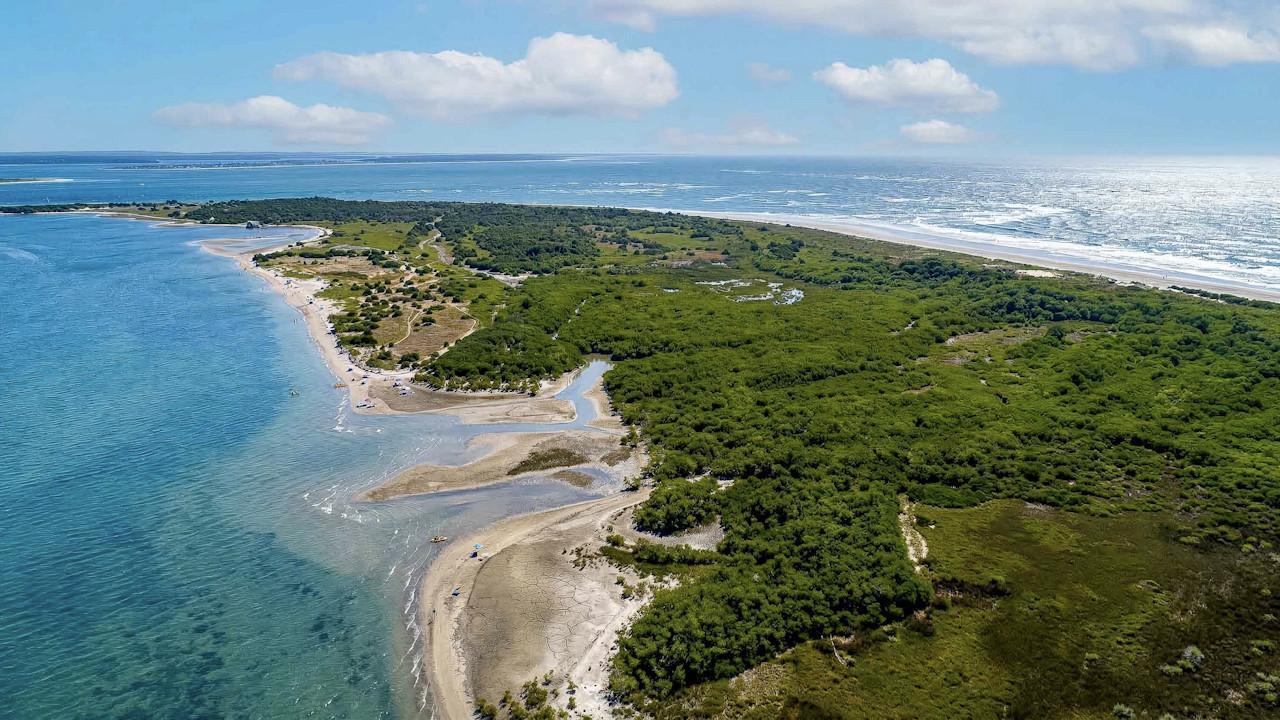
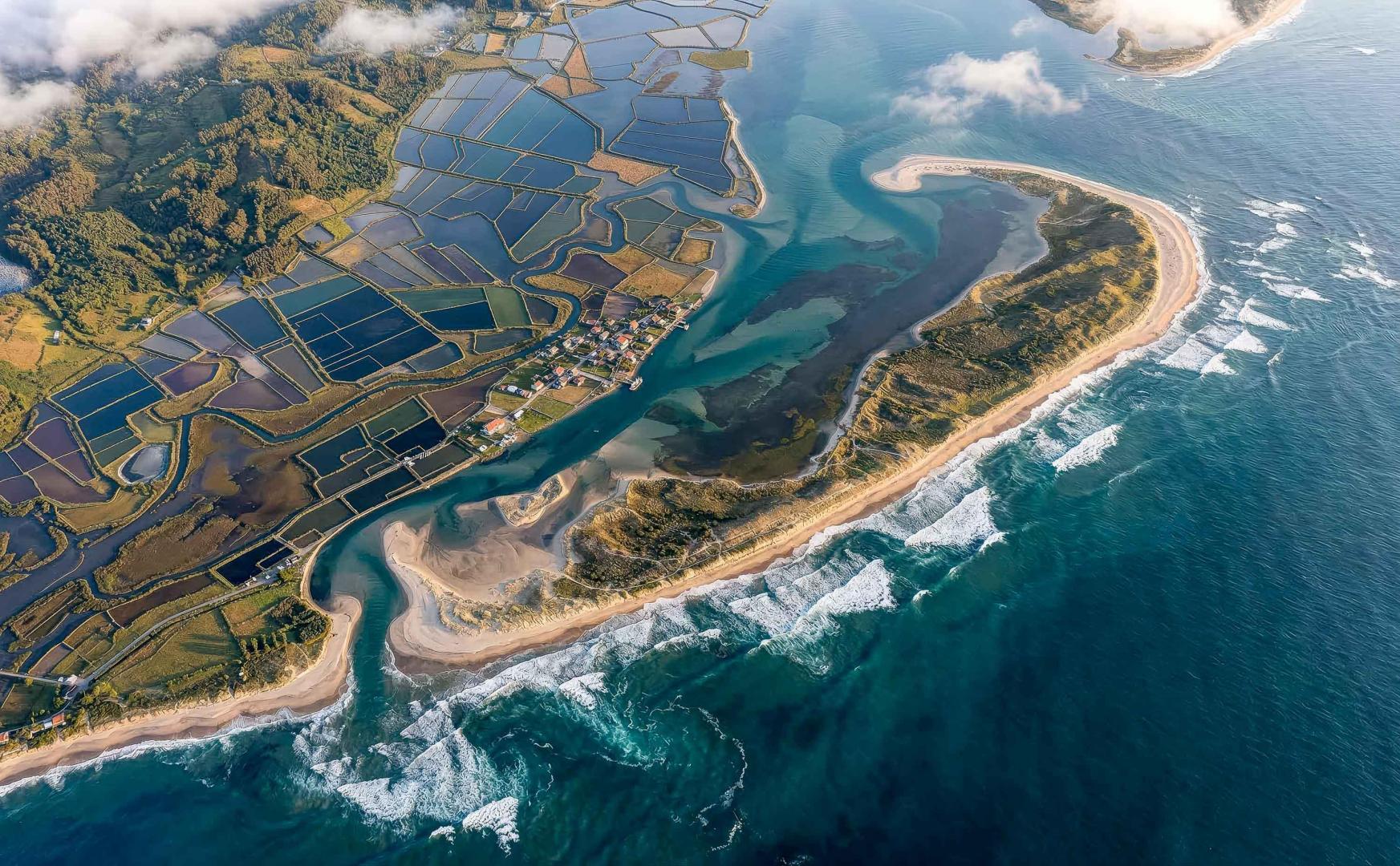
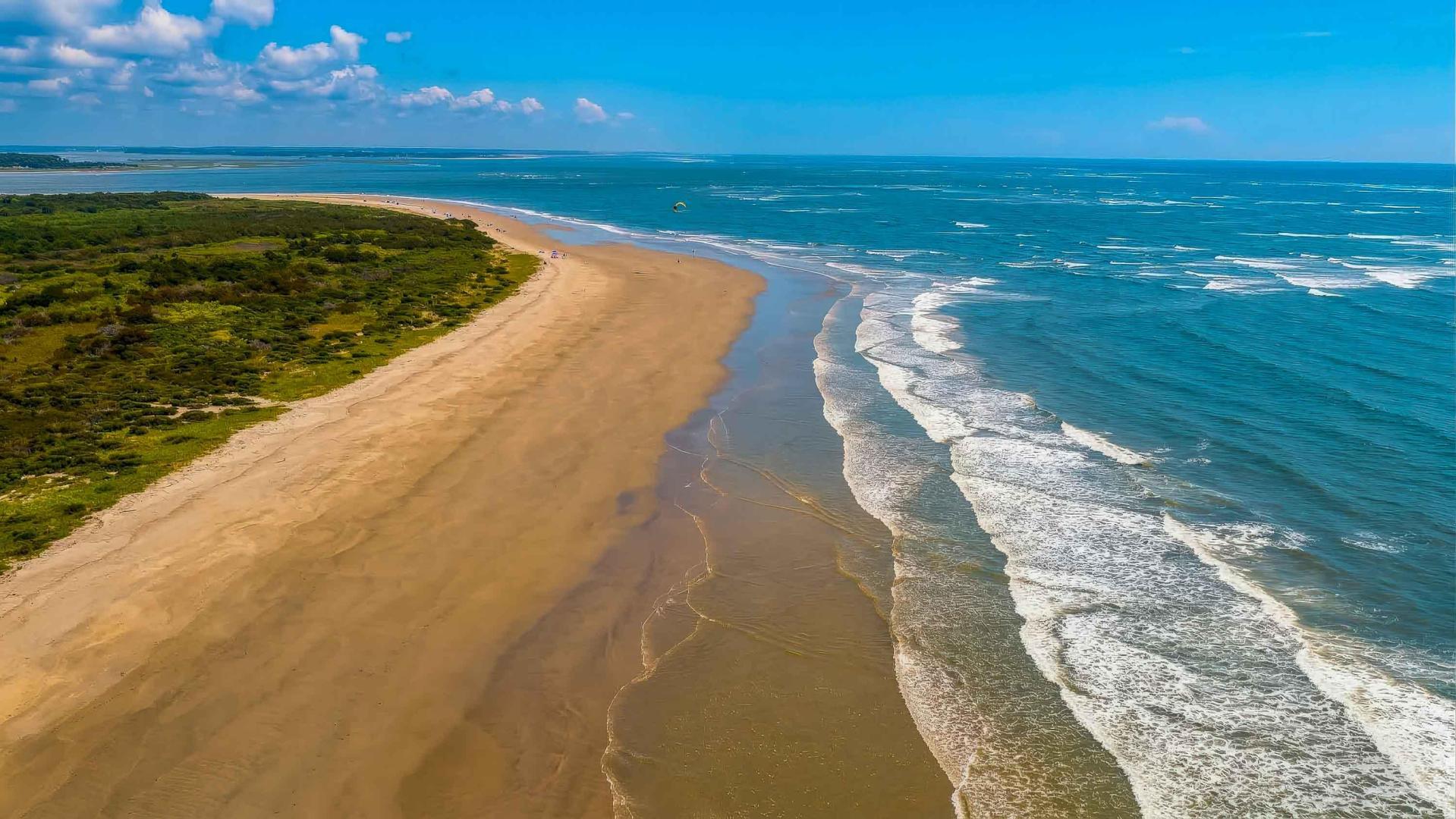
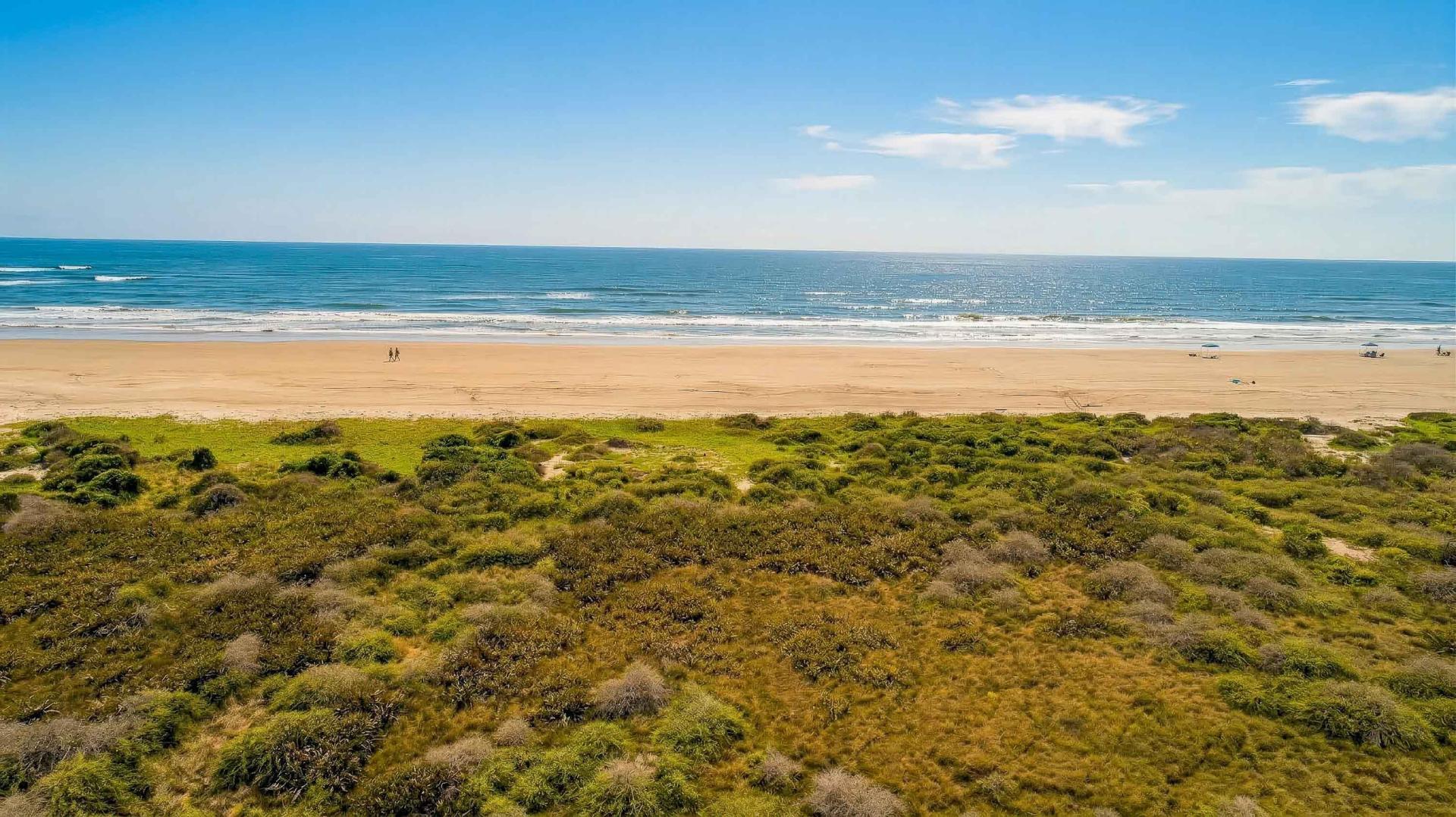
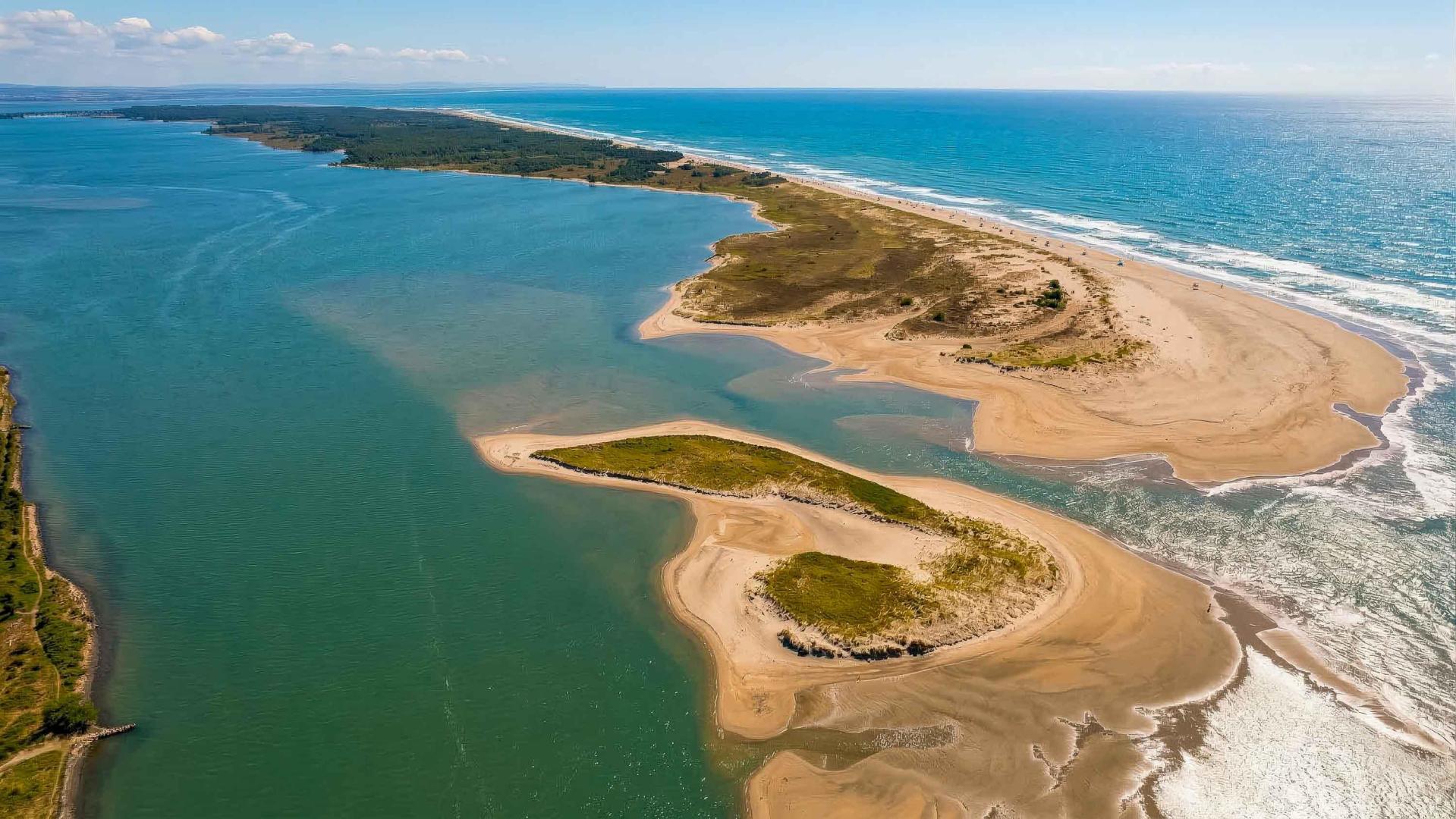
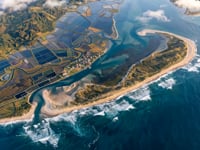
Jupiter Island is a remarkable 642.47‑acre Pacific paradise located just off the coast of Ecuador, only about 200 meters from the mainland. With nearly 4,500 meters of oceanfront and a width ranging from 150 to 200 meters, the island offers expansive beaches, abundant vegetation, and a uniquely diverse ecosystem. Currently operating as a hacienda with cattle, the island supports a wide range of wildlife, including 35 species of birds, iguanas, fish, crustaceans, mollusks, and other vertebrates.
Property Details
The island’s terrain is entirely flat, with sandy soil and a natural surface aquifer that remains active year‑round. Fresh water is available throughout the island, replenished by seasonal rains from January to May, when temperatures range from 27°C to 32°C. The remainder of the year brings a dry, pleasant tropical climate between 24°C and 27°C. Its location within the torrid zone makes it ideal for year‑round tourism. With no existing development projects underway, the island offers a blank canvas for large‑scale planning—whether a grand hotel, golf course, landing strip, sports marina, or other visionary concepts. Its landscape is varied and inviting, and nearby towns and hotels enjoy strong occupancy rates, supported by a hardworking local community engaged in shrimp farming, livestock, cocoa, coffee, and pasture cultivation.
Land & Waterfront
Jupiter Island features long stretches of Pacific beachfront, lush vegetation, and a rich ecological environment. The surrounding waters support diverse marine life, while the island’s flat topography and sandy soils create ideal conditions for development. Its proximity to the mainland enhances accessibility while preserving the sense of a private, self‑contained natural world. The combination of beaches, wildlife, and tropical climate makes the island well suited for eco‑tourism, recreation, and large‑scale resort concepts.
Access & Utilities
The island lies just 200 meters from the continental coast, allowing for straightforward access by boat and the potential for future infrastructure connections. Fresh water is naturally available across the island, and the flat terrain simplifies planning for utilities, transportation routes, and large‑format amenities. With nearby towns offering services, labor, and hospitality infrastructure, the island is well positioned for both tourism and agricultural ventures.
The Lifestyle
Jupiter Island offers the opportunity to create an entirely new destination—one shaped by imagination, sustainability, and the island’s extraordinary natural assets. Its beaches, wildlife, and year‑round tropical climate create an inviting environment for relaxation, exploration, and ecological tourism. With its size, history, and untouched landscape, the island is poised to become a world‑class retreat or resort complex.
History of the Island
Jupiter Island’s origins are tied to the wreck of the three‑masted Chilean ship Jupiter, which ran aground on April 17, 1911 while transporting Bitter Cedar from Costa Rica to Chile. After the ship was destroyed by waves, local residents helped secure the valuable timber until the crew could return with assistance. Over time, the buried remains of the vessel formed the foundation for what eventually became part of the island’s landmass. In 1990, pieces of the ship—including sections of the keel and large square‑headed nails—were recovered, offering tangible evidence of its construction from Araucaria pine, a durable Chilean wood resistant to seawater. The island was named in honor of this historic vessel, whose remnants remain a testament to its century‑old story.